Operations | Monitoring | ITSM | DevOps | Cloud

Latest posts

Sumo Logic Achieves FedRAMP-Moderate Authorization

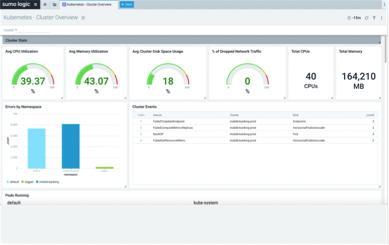
We are pleased to share with you that the Sumo Logic Continuous Intelligence Platform™ was granted authority to operate at a Federal Risk and Authorization Management Program (FedRAMP) Moderate impact level. With this authorization, many more organizations can now use Sumo Logic to get real-time insights into complex on-premises and cloud environments, and further strengthen their security and compliance, while optimizing their operational performance.

Building Strong Global Partnerships

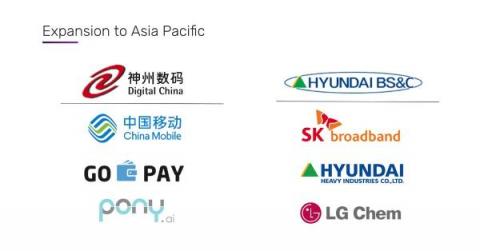
Despite a halt in travel in 2020, InfluxData made incredible progress reaching users around the world through the new InfluxData Authorized Channel Partner program. The program features a robust ecosystem of distributor and reseller partners that help to support InfluxDB users around the world. In 2020, we welcomed 23 channel partners, including three regional distributors and 20 resellers in the Asia Pacific, EMEA and North American regions.

CMDB: ServiceNow's foundation for success

In this new series of Now on Now blogs, we share how we, ourselves, use ServiceNow products to transform our operations and create great experiences. We hope our stories will inspire you, our customers, and partners, to achieve even greater business value and resiliency from the Now Platform®. For more information, visit the Now on Now Book of Knowledge.

Rancher: Kubernetes Master Class: Take Advantage of New Monitoring Capabilities When Migrating from Rancher 2.4 to 2.5

Rancher 2.5 introduces a new, improved monitoring integration. It is still based on Prometheus, Grafana and Alertmanager, but much more flexible regarding configuration options and customizations. It also directly ships with much improved dashboards and alerting rules. Unfortunately, due to the necessary internal changes, there is no automatic upgrade path available from the old to the new monitoring. While you can continue to use the old monitoring with 2.5, there are some manual migration steps necessary to get all the benefits from the new monitoring system and keep all the configurations and customizations from the old one.

Rancher February 2021 Online Meetup - Longhorn 1.1 & Rancher

Join Rancher and SUSE at our next global meetup where we focus on the latest release from of CNCF Sandbox project Longhorn and its benefits for Rancher users. When used with Rancher, Longhorn 1.1 provides Kubernetes users with a reliable Kubernetes-native persistent storage solution from core to cloud to edge. This meetup will be hosted by Adrian Goins (Director of Community, SUSE). You will also hear directly from Sheng Yang (Principal Developer, Longhorn) and William Jimenez (Product Manager, Longhorn).

CloudZero: Measuring Your Unit Cost and COGS on AWS and Snowflake

Mapping cloud cost to business metrics, like unit cost and cost of goods sold (COGS) can become increasingly challenging as you scale - especially when your infrastructure spans multiple cloud providers. In this webinar, Tim Buntel, CPO at CloudZero, will discuss how you can get seamless visibility into the cost to build and run your feature, in the context of your business.

Features to check for in a network scanner for enterprise networks

Network scanners have become an integral part of every IT admin’s first line of defense against security breaches. Using the right network scanner tool to conduct effective network reconnaissance and diagnosis enables you to pinpoint network issues that can escalate to security risks and network mishaps. A typical network scanner would allow you to scan a range of IP addresses sequentially, and display the active devices within that address block.

Sponsored Post

Tracking Core Web Vitals with Raygun

Improving front-end performance for a website is known to increase the likelihood that users will engage, enjoy, and continue to use a website. This leads to better business outcomes by improving customers' digital experiences - no-one likes waiting for a slow page to respond. Core Web Vitals are a part of Google's evaluation of a user's overall page experience, and are made up of three specific page speed, user interaction, and page stability measurements: They work together with other web vitals (mobile friendly, free of malware, secure, and low on interstitial popups) to form an overall page experience score signalling to Google that users are having a good experience.

What is the Difference between SLAs and OLAs?

In traditional IT environments, services to customers are delivered and supported by the organization. A Service Level Agreement (SLA) is created with details like what would be the availability of service be, how reliable the service would be, what penalties can be charged in case of downtime, etc. The internal teams like the network administration team, development team, IT service desk, etc. would then draw up Operational Level Agreements (OLAs) to support the SLA.