Mailchimp
Not subscribed to OpsMatters Newsletter


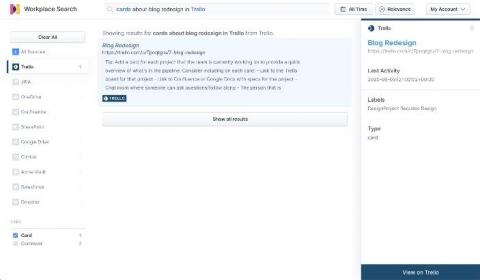
In our previous post, we introduced the concept of the Elastic Workplace Search Custom Source API as a means of adding data for which a prebuilt content source integration isn’t available. We used a simple example — a CSV file of contact information — to demonstrate the process along with the use of the associated REST API. In this post, we explore ingesting data from a more complex organizational source: Trello.
Within the cyber security industry, it is well known that as a company grows, so does its attack surface. This trend lends itself largely to the fact that as more employees are hired, more company-owned machines (laptops, tablets, etc.) are distributed. The risk is that once a company-owned machine is given to an employee, it is up to the employee whether to follow the security best practices set forth by your company. Your technological asset has now become a security risk.
This is a hands-on course on how to deploy a fully Serverless web app using the AWS CDK. You can use the resources declared in this demo application as a starting point to mix and adapt to your own architectures later, which should save you quite some time.
A while back I talked about how big companies have started using serverless in production and how this is a clear sign that we will see more implementation of the serverless infrastructure in the near future. I’d like to take some time today and talk about one of the companies that are using serverless in production: Coca-cola.
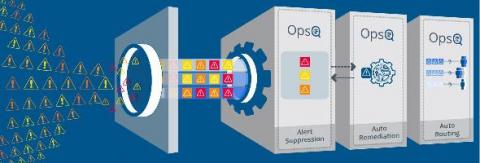
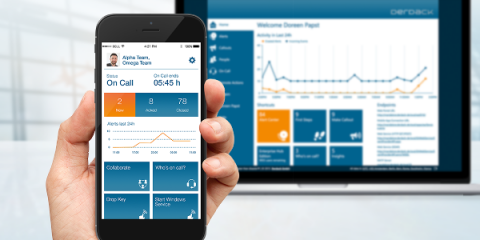
Alert noise is reaching an all-time high in IT organizations. The volume of these alerts from disparate tools and technologies has reached a point where they are greatly undermining the ability of IT organizations to properly manage, secure and optimize services and applications for users and customers. DEJ’s recent study on AIOps found that organizations currently spend $1.27 million annually on avoidable incident escalations that result from non-contextual and non-actionable alerts.
What software assets does your organization use? What sounds like a simple question is anything but. If we include every package and dependency that ends up in the code we produce then for most development teams the truthful answer is ‘we don’t know’. As we’ve said enough times already, that really isn’t good enough anymore. And that’s one of the core motivations behind Cloudsmith.
More and more companies move business critical communication instruments into a cloud based environment. This could be established in a partner datacenter or in a public cloud environment. The main deciding factors between these two options are the trust to the provider and the costs of the solution.
First thing’s first: existing users will be pleased to know that upgrading is easy, so there's no need to be concerned about the upgrade process. In fact, Sensu Go 6 (arriving July 23, 2020) is a drop-in replacement for Sensu Go 5. Sensu was originally designed to be a single-tenant system, relying heavily on configuration management tools to move at the speed of automation — AKA, to keep configuration up to date to accurately reflect the state of things.
A website downtime for any online business can be a time of great concern, anxiety, stress, and panic. So many questions will go through the mind of the website owner, such as; A website downtime is indeed a nervy period for any online business, but most especially for small and medium scale businesses still trying to find their feet in a highly competitive and unforgiving business environment.