Mailchimp
Not subscribed to OpsMatters Newsletter


Web server logs and other access logs from technologies such as NGINX, Apache, and AWS Elastic Load Balancing (ELB) provide a wealth of key performance indicators (KPIs) for monitoring the health and performance of your application and understanding your users’ experience. These logs tell you how long pages take to load, where errors are occurring, which parts of your application are requested the most, and much more.
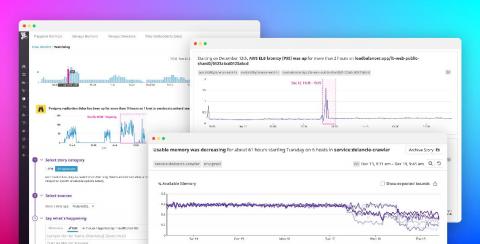
Last year, we introduced Watchdog to help Datadog APM users detect performance problems in their services by applying machine learning algorithms to automatically surface anomalies. Today, we’re excited to announce Watchdog for Infra, which expands the scope of Watchdog to automatically provide ongoing visibility into the health and performance of your infrastructure with no setup required.
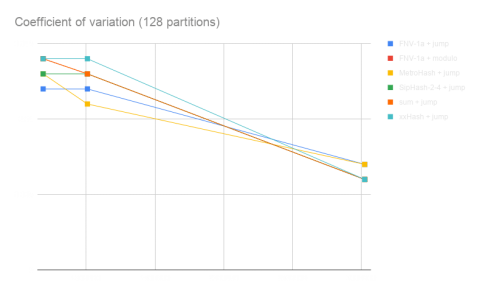
In this blog post, we will discuss the experiments we did to find the best hashing method for Metrictank data distribution.
2020 is finally here — and with the dawn of this new decade comes cutting-edge advancements to our platform as well as more opportunities to meet up and receive feedback from customers and community members at events around the world.
In this article I will highlight the 6 key docker commands I use on a daily basis while using Docker in the real world. By no means is this an extensive list of commands, I kept it short on purpose so you could use it as a quick reference guide. I’ve also omitted the topic of building images and the commands that are associated with that.
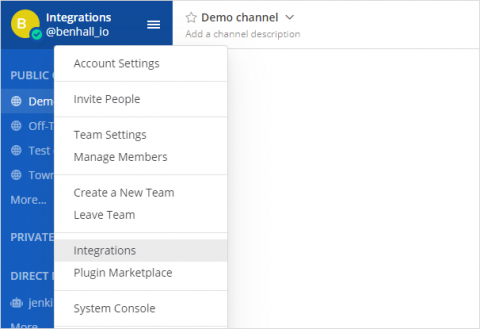
Mattermost is well-known as a flexible, open source messaging platform. But what makes it even more useful is its ability to automate connections with bots and webhooks and to link up to external applications. These automations and connections are known as integrations. Many integrations are available off-the-shelf through the Integrations Directory. But there are lots of ways to create your own.
Golang developers care a lot about security and as Go modules become more widely used, they need more ways to assure these publicly shared files are safe. One unique feature included with Golang version 1.13 is the foresight that went into authentication and security for Go modules. When a developer creates a new module or a new version of an existing module, a go.sum file included there creates a list of SHA-256 hashes that are unique to that module version.