The latest News and Information on Incident Management, On-Call, Incident Response and related technologies.
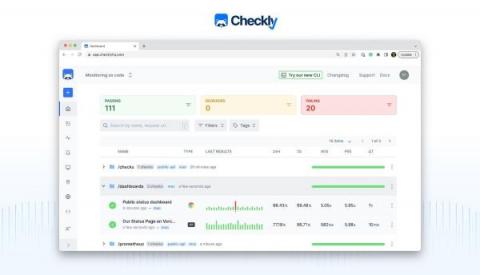
This post will introduce Checkly, the synthetic monitoring solution, and their monitoring as code approach. This guest post was written by Hannes Lenke, the CEO, and co-founder of Checkly. First, thanks to Birol and the ilert team for the opportunity to introduce Checkly. ilert recently announced discontinuing its uptime monitoring feature and worked with us on an integration to ensure that existing customers could migrate seamlessly. So, what is monitoring as code and Checkly?
Chasing down critical information in disparate systems of record while trying to resolve an incident can make an already stressful situation even more taxing. Extra clicks, extra logins, copy/paste, socializing that information with other responders–it all wastes time and introduces more room for human error. Now PagerDuty customers can use Custom Fields on Incidents to enrich their incident data.
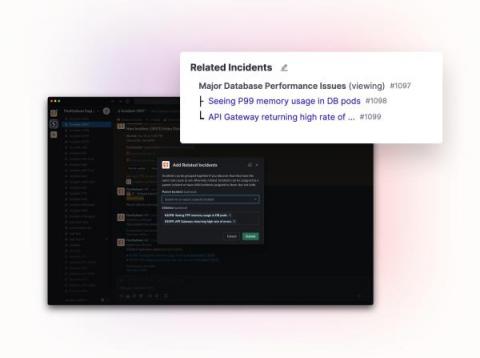
We’ve all been there. You’re working through some rather frustrating blockers during an incident only to discover that you don’t own the dependency at fault. Or, you’ve been pounding away at an issue when a fellow engineer reaches out and asks if your service is affected by some particularly gnarly database failure they’re seeing. But then what? Do you merge efforts and work in parallel or head for a coffee break while the issue gets attacked upstream?
Automation has become a game changer for businesses seeking efficiency and scalability in a rather unclear and volatile macroeconomic landscape. Streamlining processes, improving productivity, and reducing incidence for human error are just a few benefits that automation brings. However, as organizations embrace automation, it’s crucial to ensure modern security measures are in place to protect these new and evolving assets.