Operations | Monitoring | ITSM | DevOps | Cloud

The latest News and Information on Cloud monitoring, security and related technologies.

How to Prepare Your Staff for Hybrid Cloud

By Des Nnochiri Budgetary constraints are often a key factor in determining how an organization sets up its IT infrastructure. The hybrid cloud typically leads to cost savings of between 5% and 30% for enterprises that make the transition. Besides the monetary aspects, performance benefits and easier administration also inspire many organizations to consider moving to a hybrid cloud.
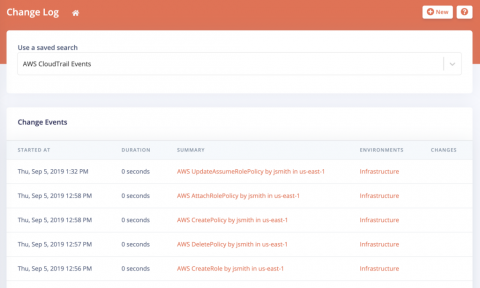

Announcing our AWS CloudTrail Integration

One of the most common reasons for system failures is changes to the underlying infrastructure. Amazon CloudTrail does a great job of recording when actions are taken but a lot of organizations don’t take advantage of it. FireHydrant now includes this data, giving you visibility into changes to your infrastructure while you’re investigating an incident.

The Secret Lives of Failed Amazon SQS Messages

A common pattern in serverless architecture is to have a queue before a function. This is great because you can create a second queue for all of the messages that failed in the function execution (or, if we want to put it in terms that don’t sound like we’re aggressively shaming them, we can classify them as having “encountered an error at some point”). This second queue is known as a “dead letter queue” or DLQ for short.

Monitoring Multiple Environments Made Easy

We’re happy to announce it’s now even easier to manage multiple environments in SolarWinds® AppOptics™. Technically we’ve always had environment support through the use of global tags and support for custom EC2 tags, but AppOptics is here to help you spend less time with config files, more time for your regular job, and maybe slightly longer coffee breaks.

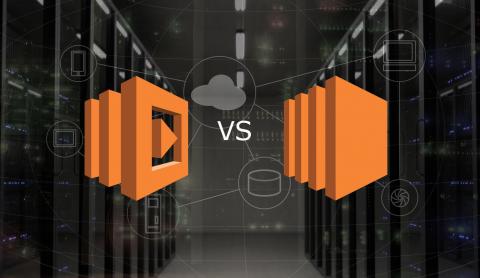
AWS Lambda vs EC2

AWS Lambda has gained good traction for building applications on AWS. But, is it really the best fit for all use cases? Since its introduction in 2014, Lambda has seen enthusiastic adoption – by startups and enterprises alike. There is no doubt that it marks a significant evolution in cloud computing, leveraging the possibilities of the cloud to offer distinct advantages over a more traditional model such as EC2.

Cloud Spend Optimization: 5 Questions You Must Answer

Cloud spend optimization is a challenging endeavor for most companies. The major reason for this is that most don’t have sufficient visibility into their live cloud costs, so they can’t tie day-to-day decision-making to those staggering AWS bills that arrive at the end of each month (way too late to make meaningful changes).

The Secret Lives of Failed Amazon SQS Messages

A common pattern in serverless architecture is to have a queue before a function. This is great because you can create a second queue for all of the messages that failed in the function execution (or, if we want to put it in terms that don’t sound like we’re aggressively shaming them, we can classify them as having “encountered an error at some point”). This second queue is known as a “dead letter queue” or DLQ for short.

How to Choose Your Cloud Provider

With the emergence of Amazon Web Services (AWS) in 2002, the Infrastructure as a Service (IaaS) model kickstarted the public cloud revolution that has permanently changed how IT services are deployed and delivered. According to Gartner’s July 2019 Magic Quadrant for Cloud Infrastructure as a Service report, the annual cloud IaaS market is currently worth $41.4 billion and is expected to grow to $81.5 billion by 2022.