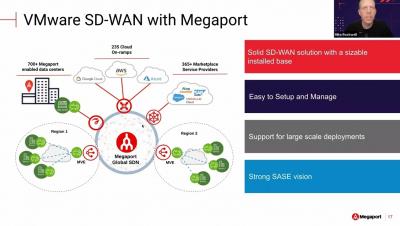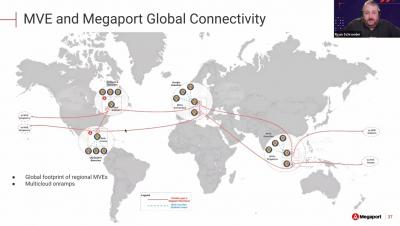
Supercharge Your SD WAN Webinar NAM Practical Use Cases
To learn more about Megaport MVE, visit megaport.com/mve


The latest News and Information on DevOps, CI/CD, Automation and related technologies.
As an early stage company, one of our biggest priorities is hiring. In fact, we have two company goals this year and one of them is.
We’re excited to share that we are celebrating our tenth podcast episode! For this episode, we invited Russell Foster. As a DevOps engineer at StackState, Russell is responsible for making sure our SaaS product runs smoothly on AWS. Over the years, Russell has worked at both startups and more mature companies, where his responsibilities ranged from keeping things up and running in cloud environments to making sure hybrid and on-premise environments remain stable and reliable.
Remember when Slack went down in early January? The three-hour outage, set off by AWS capacity issues, cost the company an untold amount of money. And the effects rippled across the enterprise. The outage devalued the company’s stock and seemed to send all 142,000 of its customers to Twitter to gripe. This high-profile outage is just the most recent of many outages highlighting the critical nature of continuous availability. And there’s only one answer to the problem.