We are caught in a whirlwind of rapid data change. As more engineers, services and sophisticated practices are helping generate an astronomical amount of digital information, there’s a growing challenge of the data explosion. Coralogix offers a completely unique solution to the data problem. Using Coralogix Remote Query, the platform can drive cost savings without sacrificing insights or functionality.
This post is part of an ongoing series about troubleshooting common issues with microservice-based applications. Read the previous one on intermittent failure. Queues are an essential component of many applications, enabling asynchronous processing of tasks and messages. However, queues can become a bottleneck if they don’t drain fast enough, causing delays, increasing costs, and reducing the overall reliability of the system.
During the month of May, NinjaOne will roll out a slew of exciting new features and enhancements as part of their 5.3.9 release. Most of the features are the direct result of requests from our customers and we’re glad to be able to bring them to light. First, NinjaOne has a new Patching dashboard that is currently available for NinjaOne customers to test drive.
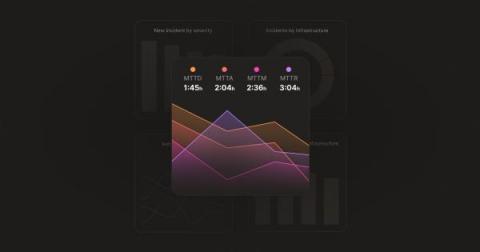
Tracking incident metrics can help you discover patterns in the causes and costs of incidents and help you understand brittle parts of your organization. We've seen them help teams zero in on things like: But it can be intimidating to get started. Do you really need metrics if you're a small team or just beginning to formalize your incident management program? I say yes. The key is to start with something manageable and grow.
Interrupts, softirqs, and softnet are all critical parts of the Linux kernel that can impact system performance. In this blog post, we'll explore their usefulness, and discuss how to monitor them using Netdata for both bare-metal servers and VMs.
Eliminating errors and streamlining the incident management process are top priorities for many ITOps, NOC, SRE, and DevOps teams. With organizations using multiple tools in their IT stack, manually finding the right information at the right time becomes crucial during incident triage. By automating tasks and workflows, businesses can eliminate manual tasks that are time-consuming, repetitive, and prone to mistakes.
As a developer, triage duty week was often the worst week of my month. Anytime a bug was reported, I’d search for the right environment, wander through logs, pray there was an associated stack trace, use my mental mapping of our code base, and route bugs to the right teams. Developers on triage rotation need to ensure bugs are routed to the correct team along with adequate information to help the team investigate the bug.