Operations | Monitoring | ITSM | DevOps | Cloud

Using PostgreSQL advisory locks to avoid race conditions

The first moments of incident response can be among the most crucial, which in turn can also make them among the most stressful. There are many ways to ensure incidents are kicked off smoothly, but a recent focus of ours was to ensure they could be kicked off quickly. After all, the faster you're able to start mitigating your incident, the more successful you'll be!


The 5 Incident Severity Levels - And a Free Matrix

Just as a red flag warns of imminent danger, incident severity levels in IT Service Management (ITSM) act as crucial indicators that alert organizations to potential problems. By understanding and leveraging them, businesses can swiftly and effectively respond to incidents, minimizing their impact on operations. In the dynamic business operations landscape, unexpected disruptions are an unavoidable reality.

How to Show Reliability Results to Your Organization

Building momentum for a reliability program can be tough. Improving reliability takes time, effort, and resources. But when everything from launching new features to improving security demands those same resources, it can be a struggle to get the buy-in you need to address reliability risks. And it makes sense! If a team spends time patching a known security bug or creating a new feature, they have a clear demonstration of the value created.

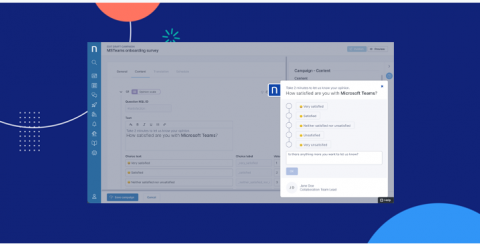
Nexthink Powers Employee Engagement with Exciting New Features

We are thrilled to share the latest updates and enhancements to Employee Engagement! At Nexthink, we continue to invest, innovate, and lead the way in facilitating two-way communication between IT and employees, powering self-help and direct communication for any of IT’s pressing needs. In this blog post, we’ll dive into five exciting new features and improvements that foster better communication, drive effective campaigns and engagement, and enhance employee satisfaction overall.

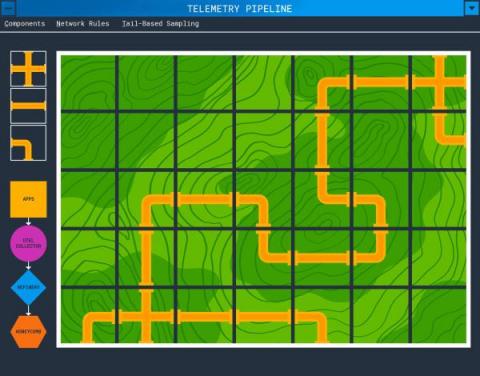
What Is a Telemetry Pipeline?

In a simple deployment, an application will emit spans, metrics, and logs which will be sent to api.honeycomb.io and show up in charts. This works for small projects and organizations that do not control outbound access from their servers. If your organization has more components, network rules, or requires tail-based sampling, you’ll need to create a telemetry pipeline.

Top 3 SIEM Optimizations - How to Get More From Your Existing Tech Stack

In today’s digital-first world, most security problems are actually data problems, and data volumes are outpacing organizations’ abilities to handle, process, and get value from it. You’ll have 250% more data in five years than you have today, but the chances of your budget increasing to match that are slim. The challenges that come with managing the rise in enterprise data volume directly affect your ability to adequately address cybersecurity risks.

Zero trust security for CI/CD pipelines

The zero trust security model is an approach to network security that enforces strict access controls and authentication at every stage of the software development lifecycle. It treats every user, device, and transaction as a security risk and uses the principle of least privilege to restrict access to sensitive resources and minimize the potential attack surface.