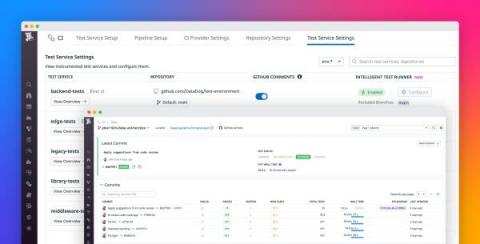
Modern continuous integration (CI) practices enable development teams to quickly and efficiently build and deploy application code to a shared codebase. However, deploying new code is typically accompanied by tests, and as the codebase expands, this results in a proportionately larger test suite.
ESXi, short for Elastic Sky X Integrated, is a groundbreaking virtualization solution engineered by the tech giant VMware. Functioning as a type-1 hypervisor, ESXi stands out from other solutions due to its ability to run directly on the system hardware without the need for an underlying operating system. By providing a platform where virtual machines can efficiently function and interact, ESXi has emerged as an indispensable component in today’s technology-driven business ecosystem.
Asset IT management involves the management of an organization's IT assets, including hardware, software, and infrastructure. Effective IT asset management can help businesses streamline their operations and optimize their IT investments. However, managing IT assets can present a range of challenges that must be addressed to ensure efficient and effective asset management.
As businesses grow and acquire new assets, keeping track of these assets becomes increasingly challenging. An asset inventory audit is a process of identifying and documenting all the assets owned by a business. Conducting an effective asset inventory audit can help businesses understand what assets they have, their condition, and their value. This information can be used to optimize asset utilization, identify opportunities to reduce costs, and ensure compliance with regulations.
In today’s rapidly changing digital environment, the significance of robust Docker container security measures cannot be overstated. Even the containerised layer is subject to compliance standards, which raise security concerns and compliance requirements. Docker container security measures entail safeguarding our lightweight, appliance-type containers –each encapsulating code and its dependencies– from threats and vulnerabilities.
There’s a major disconnect between the promise of digital transformation in clinical care settings and the reality of hospital systems and clinics today. Nurse retention depends on bridging this gap. Many of us remember the first wave of digital transformation in healthcare, where paper and triplicate forms gave way to electronic charting. Although electronic medical records (EMR) systems are remarkable and essential, they don’t provide a complete digital solution for care providers.
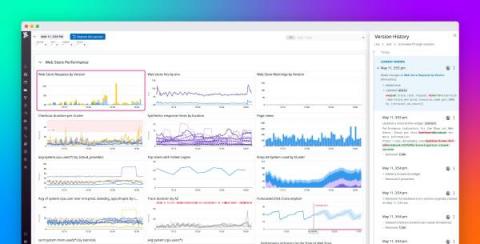
Datadog dashboards and notebooks can be powerful tools for troubleshooting, enabling you to analyze telemetry from across your stack with visualizations customized by service owners, data analysts, and engineers. Many organizations also rely on dashboards and notebooks for key business processes, such as generating reports, creating postmortems, and managing SLOs. This makes it important to keep track of any unintended changes that may result from others accessing your content.