Operations | Monitoring | ITSM | DevOps | Cloud

The Place Where Modern Operations & Technology Come Together

Exciting Innovations for LogicMonitor and AWS Joint Customers
Learn more about the upcoming innovations coming for joint customers of LogicMonitor and AWS. However, as your business continues to evolve, are you adequately monitoring your hybrid cloud infrastructure? Native monitoring can sometimes fall short. There’s a need to respond to pertinent alerts, manage costs effectively, stay updated with cloud service changes, and maintain a clear understanding of your cloud data. LogicMonitor offers a solution with comprehensive visibility across both your on-premises and AWS deployments within a singular platform..
Mattermost Product Overview
Mattermost is one platform for secure communications, collaboration, and workflow orchestration across your tools and teams. Stay aligned. All the time.
How to respond to a Microsoft Teams outage
Detect and troubleshoot your Microsoft Teams issues today to fix call quality and collaboration performance problems.
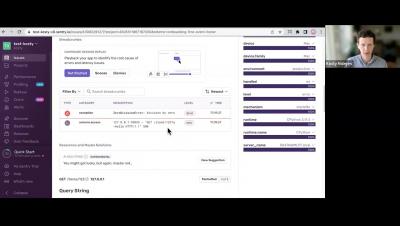
Sentry 101: Error Monitoring For Backend Applications
Learn the basics of backend error monitoring with Sentry and recent updates to the issue experience. Whether you are using Python, PHP, Node.js, Ruby, or Go, Sentry can help you find the who, what, when and where behind errors in your backend project. Follow along with this example FastAPI project to learn how to get started monitoring for backend project errors.

The Rise of Megaport | Documentary
Discover the untold story behind one of the most disruptive telecommunications companies in the world. Featuring Megaport Founder Bevan Slattery, plus some of the first members of the team.

Unlocking valuable healthcare data to improve patient outcomes and reduce clinical risk with Elastic
Cogstack, powered by Elastic, has proven invaluable in protecting patients at risk from specific drugs, enabling healthcare staff to swiftly access relevant medical records within just a few clicks, rather than days, weeks or even months as it was before. Harnessing the power of Cogstack and Elastic has allowed clinicians to identify priority cases promptly, leading to a reduction in waiting times for patients and ensuring the right medications are prescribed.
Troubleshooting Microsoft SharePoint
In this tutorial video, we’ll be walking you through troubleshooting Microsoft SharePoint issues for end users, utilizing CloudReady Synthetics and Service Watch Desktop and Service Watch Browser. Any performance or accessibility issues with SharePoint are extremely impactful to end users. There is also the support cost to consider as most organizations using SharePoint heavily have dedicated app owners focusing solely on making sure SharePoint is working optimally.
Better Experiences. Better Outcomes. Proactively improve your DEX
A great digital employee experience (DEX) can positively impact productivity, talent acquisition and retention, security and operational agility. What if you could effectively measure and proactively optimize the experience that employees get through the devices, operating systems and applications they rely on in their Everywhere Workplace? IT and security operations teams are increasingly tasked with delivering improved DEX. However, many struggle to effectively quantify and optimize it. How do you measure the employee experience in your organization?

Distributed tracing for testing with Grafana Tempo and Tracetest (Grafana Office Hours #05)
Did you know you can use distributed tracing for testing with Grafana Tempo and Tracetest? Distributed tracing can really help you drill down from metrics to root causes, but how can you automate it? Adnan Rahić, Senior Developer Advocate at Tracetest.io, shares how you can do just that, using Grafana + Grafana Tempo + Tracetest.