Operations | Monitoring | ITSM | DevOps | Cloud

OpenTelemetry and Distributed Tracing in JavaScript

In our Configuring OpenTelemetry in Ruby blog post, we showed how to configure OpenTelemetry in a Ruby on Rails backend. In this post, we’ll cover how to configure OpenTelemetry in the front-end JavaScript in order to measure performance of browser and mobile devices and how to configure distributed tracing to work across the frontend and back end telemetry collection. Let’s dive in!


Searches in Loggly Simplified

SolarWinds® Loggly® was built to cut through large volumes of noisy log data to quickly pinpoint the exact events relevant to your search. Whether your log data is structured into neat field and value pairs which lend themselves to precise search queries or written in unstructured text blobs, Loggly enables you to extract meaningful insights from your logs—even if you’re not a query master.

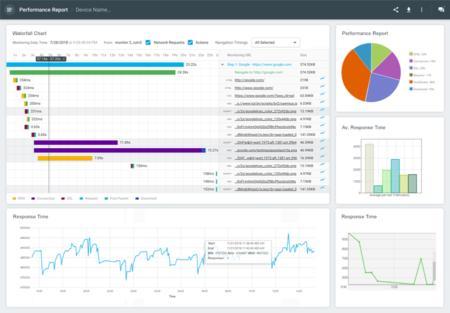
Optimizing Web Performance: Understanding Waterfall Charts

Waterfall charts are diagrams which represent how website resources are being downloaded, parsed by the engine, in a timeline that gives us the opportunity to see the sequence and dependencies between resources. It assists in identifying where important events happened during the loading process. They can also let the user easily see how good or bad the performance of their website is, showing you exactly what is slowing down your site.

What Are the ITIL Change Categories?

ITIL is widely considered the gold standard when it comes to IT Service Management (ITSM) best practices and some of the most successful companies in the business have been using it and its multiple iterations over the years. Though we won’t go into detail as to what ITIL is (we’ve got a Definitive ITIL Guide for those who want a complete rundown), it could be quickly defined as a set of suggestions, best practices, and different approaches of how to do ITSM.

Three communications best practices for incident handlers

The importance of well-managed communications when handling IT and security incidents cannot be overstated. If updates are not communicated in a timely and accurate manner, misunderstandings, misalignment, and costly errors will occur. Not to mention, resolution will be prolonged. And if highly sensitive information is communicated to those who should not be privy to such, then the risk of legal ramifications is high, as would be the damage.

A sleek new trace filter and trace details tab, 50+ contributors in our tribe - SigNal 10

One who moves the hill sets off by taking away the rocks. This is our 10th monthly update, and looking back at it, I can’t help feeling proud of our consistent efforts. Numerous releases, GitHub issues, sprints, and standups have brought us here. And it’s incredible to see what small teams with purpose can build with a consistent effort. Without further ado, let’s see what our 10th edition has to offer.

How to manage log files using logrotate

Logs are records of system events and activities that provide valuable information used to support a wide range of administrative tasks—from analyzing application performance and debugging system errors to investigating security and compliance issues. Large-scale production environments emit enormous quantities of logs, which can make them more challenging to manage and introduces the risk of losing important data if underlying resources run out of space.