Mailchimp
Not subscribed to OpsMatters Newsletter


There was a time not too long ago, before the cloud was a part of every enterprise technology conversation, when integration work was considered the purview of a specific architecture and engineering group. If messages failed to send, or services failed to respond, application stakeholders would create a trouble ticket for the integration team to address. In some ways, this separation of labor was effective enough at the time.
In the realm of digital transformation, migrating to SharePoint stands out as a pivotal step for organizations seeking to enhance collaboration, streamline data management, and boost operational efficiency. SharePoint, a robust platform by Microsoft, offers a plethora of features that cater to diverse business needs, from document management to team collaboration.
For companies using Microsoft System Center Orchestrator versions 2016, 2019 or earlier who are looking for a replacement for their aging Orchestrator systems, they have an option to migrate to a new 64 bit version Orchestrator 2022 (more details on this can be found in the Kelverion Orchestrator Best Practices Guide) but many companies are considering replacing their Orchestrator system entirely and are looking for guidance.
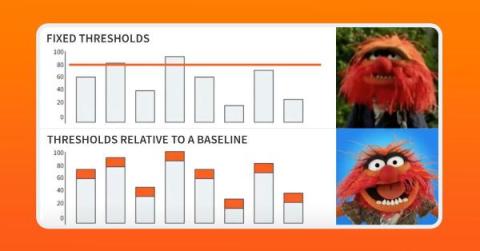
The entire reason we have monitoring is to understand what users are experiencing with an application. Full stop. If the user experience is impacted, sound the alarm and get people out of bed if necessary. All the other telemetry can be used to understand the details of the impact. But lower-level data points no longer have to be the trigger point for alerts.