Mailchimp
Not subscribed to OpsMatters Newsletter


Picture the scene – you’re a mobile mechanic helping a customer and you can’t log into your tablet. You’re on the side of the road at 11pm, and you just want to reset your password so you can finish up and send them home in the car you just fixed. The service desk is closed, so you go for the chatbot option.
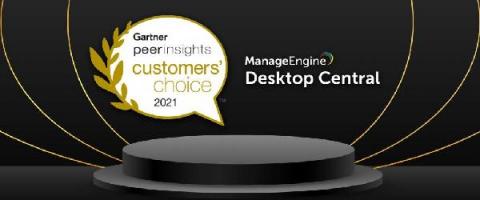
At ManageEngine, customer satisfaction is not just a promise, but also a driving force behind everything we do. From resolving bugs to delivering a seamless experience, we always look forward to hearing what our users think about our solutions. That’s why we’re delighted to announce that ManageEngine Desktop Central has been recognized as a Gartner Peer Insights Customers’ Choice for Unified Endpoint Management Tools. To all of our customers who reviewed us, we want to say thank you!
NerdVision is a live debugging platform that enables users to take snapshots of their application’s state at runtime. NerdVision is compatible with .NET, Java, Node.js, Python, and ColdFusion applications—no matter where they are hosted—and doesn’t require any changes to the source code.
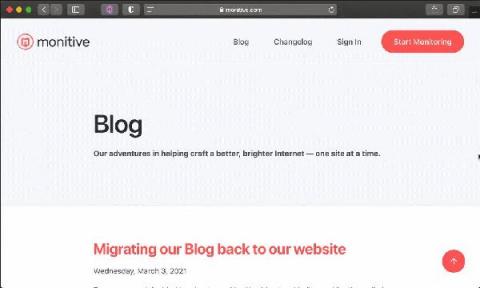
In the new light of website performance that I’m pursuing, I have learned to avoid Javascript at all costs. Here’s a nice Javascript-less desktop and mobile navigation update that we’ve added to our website. Inspired by Dirk Olbrich’s Hugo Starter Theme with Tailwind CSS this works by displaying a regular navigation bar on landscape tablets and desktop resolutions, but changes into a nice dropdown on mobile resolutions.
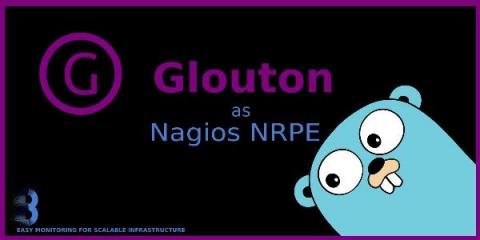
When using Nagios, the NRPE daemon has been the traditionnal solution to implement local checks (load, number of users, custom scripts, etc.). All other checks are performed remotely from the Nagios server. NRPE daemon has been a bit challenging as you need to keep it in sync with your Nagios server and sometimes backporting this daemon can be painful. As Glouton has been implemented in Go, when you need a Nagios NRPE daemon, you can just use the binary on any compatible system and voila.
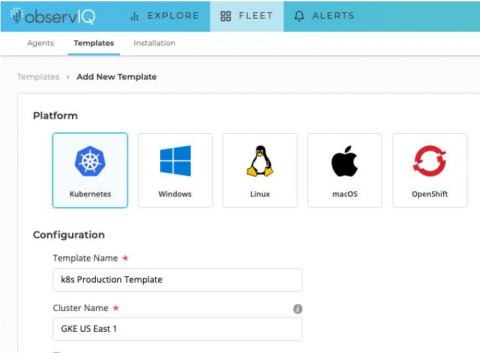
If you’re running a fleet of containerized applications on Kubernetes, aggregating and analyzing your logs can be a bit daunting if you’re not equipped with the proper knowledge and tools. Thankfully, there’s plenty of useful documentation to help you get started; observIQ provides the tools you need to gather and analyze your application logs with ease.