Mailchimp
Not subscribed to OpsMatters Newsletter


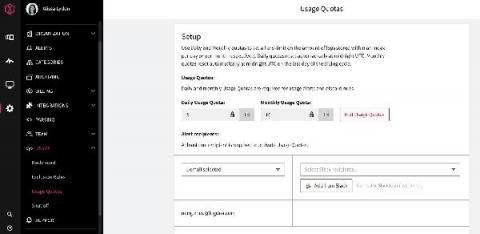
We built LogDNA around the idea that developers are more productive when they have access to all of the logs they need, when they need them. However, we also know that log management can get expensive fast. And, for anyone who owns the budget for developer tools, logs can be an unpredictable line item as you try to determine your monthly, quarterly or even annual spend.
Just like your commercial vehicles or HVAC systems, servers require regular maintenance to ensure they are operating effectively and optimally. So, we decided to compile a list of server maintenance tips you should be doing. Keep in mind, these server maintenance tips are meant to be used as a guide to help you develop your server maintenance checklist and schedule.
Any organization with data assets is a possible target for an attacker. Hackers use various forms of advanced cyberattack techniques to obtain valuable company data; in fact, a study by the University of Maryland showed that a cyberattack takes place every 39 seconds, or 2,244 times a day on average. This number has increased exponentially since the COVID-19 pandemic forced most employees to work remotely, and drastically increased the attack surface of organizations around the world.
ESG research on cyber risk management, which involved 340 cybersecurity professionals, revealed that 40 percent felt tracking patch and vulnerability management over time was their biggest challenge.
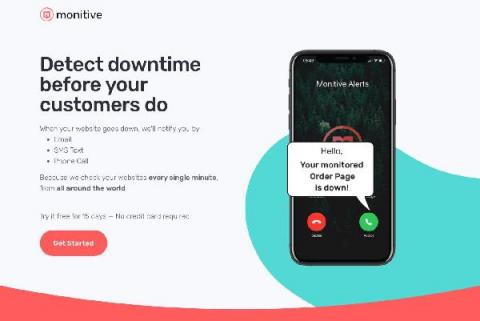
Two years ago I decided to migrate our Monitive blog to a Medium publication called Once Upon A Site. This happened for several reasons, including the fact that we are getting more readers on Medium than we were getting on our blog at the time. Of course, all while ignoring all there is to SEO. This was a good call at the time.
User Journeys are a powerful tool for ensuring key processes across your site are working correctly. They follow a scripted set of instructions to interact with your pages like a human visitor does – and to identify issues as they come up. We offer a “Managed Service” for looking after your User Journey scripts, or you might prefer to use our script builder to write your own.
The Grafana development environment runs on Linux, so most engineers have Linux installed on their machines. The Macintosh OS already supports Linux out of the box, so it’s straightforward to start up dev environments on a Mac.