Mailchimp
Not subscribed to OpsMatters Newsletter


It is tempting to consider logging as a simple, solved problem. We write a log, check our file and, boom, we’ve cracked it. Yet those of us who have sat up at three in the morning, trawling through log files over an unreliable SSH connection, know that this is simply not enough. As your system scales, so too must the sophistication of your tooling. Your logging best practices must be scalable and ready to support your efforts.
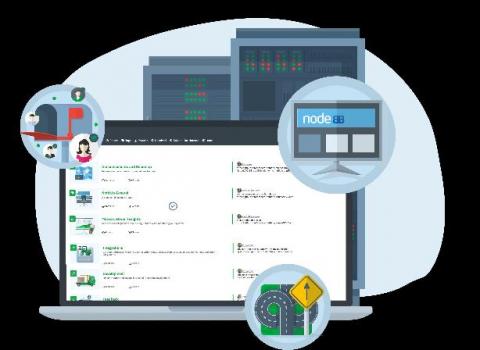
We recently adopted NodeBB as our software of choice for building the Netdata Community. We have many good reasons for why we wanted to provide our community with a proper home online, but I wanted to cover some of the technical reasons for choosing NodeBB for our platform, and the many parallels between the NodeBB and Netdata projects, which was certainly a driving force behind this decision.
You’re ingesting 20,000 data points a second, in 400,000 metrics, from thousands of AWS instances – and your monitoring can’t handle the load. You need a scalable, highly-available monitoring and dashboarding solution (and you need it yesterday). Should you do it yourself with an in-house Graphite or Prometheus monitoring system? Or will you skip the headache and choose a hosted service like MetricFire?
Maintaining digital performance has always been a tough balancing act for the Financial Services industry. Every transaction must be encrypted and secured; customer data must be stored safely without the risk of a breach. Security is given the highest priority, the additional processes in the service delivery chain can tax performance. Financial service providers must go the extra mile to ensure their network is resilient with high performance, availability, reliability, and reachability.
Curious how to get data flowing from your Go application into Honeycomb using OpenTelemetry? This guide will help you step by step through adding OpenTelemetry into your web service and sending the data to Honeycomb.