Mailchimp
Not subscribed to OpsMatters Newsletter


We’re excited to announce the release of Elastic Cloud Enterprise (ECE) 2.5! This release improves the experience of managing your deployments with a dedicated coordinating layer, support for snapshot lifecycle management (SLM), and more.
To leverage IT innovations like cloud computing, containers and microservices, and to meet customer experience expectations, IT teams must monitor their applications and services differently. The reason is that developers are deliberately disseminating information through their code in order to understand and manage the complexity in today’s ephemeral and dynamic environments.
We recently wrote about why serverless applications fail and how to design resilient architectures. Being able to detect early-stage failure indicators can be invaluable. With proper monitoring, developers move from waiting for the system to crash and adopt a more proactive attitude in managing resource allocation and architecture design to avoid bottlenecks and performance degradation.
This is part two in our blog series on Digital Transformation during Covid-19. You can read the first blog here. The global pandemic and subsequent lockdowns affecting over half the world’s population are already affecting digital transformation, on both an organizational and employee level. Starting by improving your internal customer experience is a good first step, after which digital transformation efforts can and should focus on enhancing the external customer experience in every way.
Work, education, and even many of our leisure activities have all moved on-line at an incredible pace due to current social distancing mandates. The digital backbone of the Internet and the SaaS services that drive our personal and professional lives are now foundational. Ensuring that these systems are operating optimally and securely is of paramount importance.
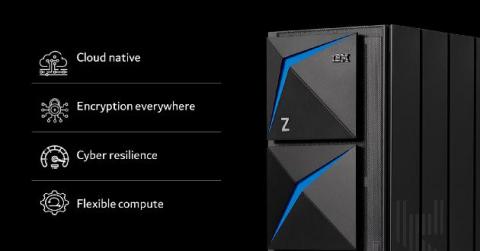
In September 2019, IBM released z15 and LinuxONE III, the most secure cloud environment in the market featuring pervasive encryption built-in at its core with Ubuntu. This offered a solid foundation to launch hardened security offerings for the mainframe across platforms such as MongoDB, Postgres, IDAA, IBM Cloud Private and the IBM Hyper Protect services family.
I recently joined Stackery from Puppet: a company that specializes in great automation software for the globe’s biggest enterprise IT operations teams. I had the privilege of learning from folks doing the best work of their life to automate the provisioning, configuration, and maintenance of infrastructure that enables teams of developers to move fast and make a difference for their business.
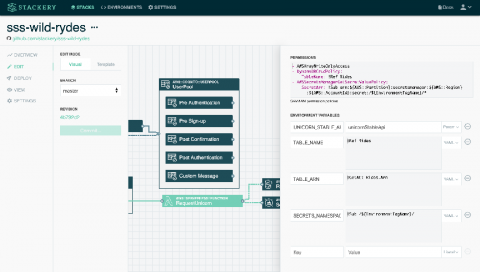
Today, Stackery is announcing enhanced security and continuous integration and delivery (CI/CD) capabilities that enable teams to automate delivery best practices from laptop to production. With additional audit capabilities, scoped IAM permissions, and secrets management for automated verification and deployment pipelines, Stackery helps teams scale serverless usage and accelerate modernization and innovation projects.
“Pandemic response experience” is not the first line you’d expect to see on a CIO’s resume. As a deadly new virus spread across the world in recent weeks, however, IT leaders everywhere have been scrambling to ensure their employees stay safe, connected and productive. At the same time, we all need to protect top line revenues, ensure the customer experience doesn’t miss a beat, and avoid any disruption to customer operations.