Mailchimp
Not subscribed to OpsMatters Newsletter


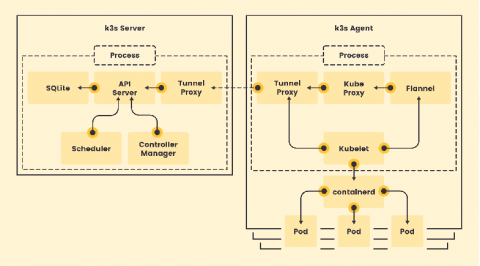
This blog post is an adaptation of a talk I gave at the Cloud Native meetup in Birmingham in the UK in February 2020. It details the advantages of k3s, a lightweight Kubernetes distribution we have deployed as part of a managed Kubernetes service. Developed by Rancher Labs, k3s allows for quick deployments for testing, CI/CD runs and getting to grips with Kubernetes without having to commit to large-scale infrastructure and the costs that would bring.
Five worthy reads is a regular column on five noteworthy items we’ve discovered while researching trending and timeless topics. This week, we explore the concept of alternative data.
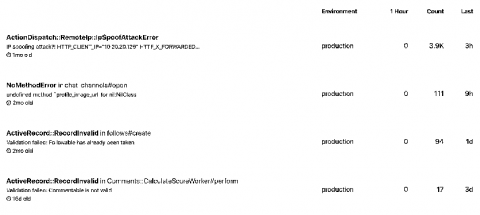
Are you on DEV? Did you know that it's open-source, and that it uses Honeybadger? We just launched a new feature to help communities like DEV fix more errors together! Software development is more fun with friends; that's why we've built tons of collaboration features into Honeybadger over the years, making it easier for teams to fix errors. Recently the team at DEV emailed us with a feature request: could we make it easier to involve the broader DEV open source community in the error-fixing process?
As reported cases of novel coronavirus (COVID-19) continue to rise around the world, many companies are increasingly shifting to using remote work as a way of minimizing exposure for their workforce. But even if some of these companies have been remote-friendly in the past, many organizations are currently struggling to figure out how to shift their operations to becoming entirely remote.
It’s been another brutal week. The coronavirus a.k.a. “Rona” as my teenage daughter and her friends call it, is just making things miserable for everyone. There have been significant impacts on the tech sector, along with oil and gas, finance, travel, hospitality, and many other industries. But there’s always a silver lining when disaster strikes. So let’s start on a positive note: many of us in information worker roles can work from home.