Operations | Monitoring | ITSM | DevOps | Cloud

The latest News and Information on Containers, Kubernetes, Docker and related technologies.

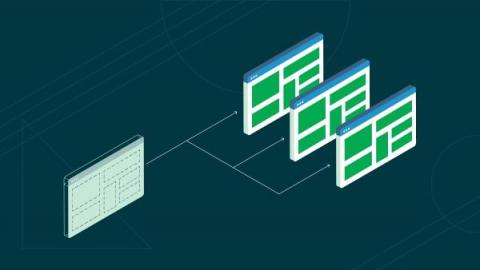
Deployment-time testing with Grafana k6 and Flagger

When it comes to building and deploying applications, one increasingly popular approach these days is to use microservices in Kubernetes. It provides an easy way to collaborate across organizational boundaries and is a great way to scale. However, it comes with many operational challenges. One big issue is that it’s difficult to test the microservices in real-life scenarios before letting production traffic reach them. But there are ways to get around it.

The Case for Owning Your Infrastructure

Early technical decisions can help make or break a product. The effort to make the right decisions can be a great unifier between standout engineers and top notch executives At Cycle we've been obsessing over the nuances of infrastructure automation for years. So far, it's landed us on the G2 grid as a high performer in a category dominated by the goliaths of the cloud world.

Kubernetes Incident Response Best Practices

Inevitably, organizations that use technology (regardless of the extent) will have something, somewhere, go wrong. The key to a successful organization is to have the tools and processes in place to handle these incidents and get systems restored in a repeatable and reliable way in as little time as possible.

Shipa Product Updates - 1.7.0 Release

We are really excited today to announce the Shipa 1.7.0 Release. Lots of great features and enhancements are packed in the latest release of Shipa. Several features coming from our customers and community, and you can now submit your ideas via the Idea Portal. Let’s take a look at what has been cooking at Shipa and upcoming events that you can catch us at.

What is Virtualization & Top 5 Benefits of Virtualization

Virtualization uses software to create an abstract layer over the hardware. By doing this it creates a virtual computer system, known as the virtual machines (VMs). This will allow organizations to run multiple virtual computers, operating systems, and applications on a single physical server How Does Virtualization works: Virtual machine (VM) is a virtual representation of a physical computer.Virtual machines can’t interrelate directly with a physical computer, but.

Kubernetes vs Docker : A comprehensive comparison

If you’re new to the world of containers there are two words you would have certainly come across, but might not yet understand the difference between: Kubernetes and Docker. Although Kubernetes and Docker are somewhat different from each other, they also share some similarities. A container is a standard unit of software that packages the code along with the libraries and dependencies so that the application can run quickly, seamlessly and reliably from one environment to another.