

Operations | Monitoring | ITSM | DevOps | Cloud

The latest News and Information on DevOps, CI/CD, Automation and related technologies.

Infrastructure as Code, part 3: automate Kubernetes deployments with CI/CD and Terraform

This series shows you how to get started with infrastructure as code (IaC). The goal is to help developers build a strong understanding of IaC through tutorials and code examples. In this post, I will demonstrate how to create continuous integration and deployment (CI/CD) pipelines that automate the Terraform IaC deployments covered in part 1 and part 2 of this series. Here is a quick list of things we will accomplish in this post.

Stay Alert! Building the Coralogix-Nagios Connector

Ask any DevOps engineer, and they will tell you about all the alerts they enable so they can stay informed about their code. These alerts are the first line of defense in the fight for Perfect Uptime SLA. With every good solution out there, you can find plenty of methods for alerting and monitoring events in the code. Each method has its own reasons and logic for how it works and why it’s the best option. But what can you do when you need to connect two opposing methodologies? You innovate!

Monitor Azure Government with Datadog

Azure Government is a dedicated cloud for public sector organizations that want to leverage Azure’s suite of services in their highly regulated environments. As these organizations migrate their applications to Azure Government, they need to ensure that they can maintain visibility into the status and health of their entire infrastructure.

Cloud Infrastructure Without the Headaches

Cloud infrastructures have introduced increasing levels of complexity—you have to manage workloads across on-premises, private, and multiple public cloud environments. This requires you to migrate efficiently, optimize effectively, and stay rightsized on an ongoing basis, all while meeting evolving business requirements. With so many moving parts, it can be a massive challenge with lots of pitfalls that can cost you time and money and even put your business results in jeopardy.

3 Improvements Finance Teams Can Make To Their FP&A Process

FP&A is a strategic part of the finance organization and has the potential to drive important business outcomes. When done right, it can have a major positive impact on the future of the business. When done poorly, it can slow a company down. The role of FP&A has evolved. Today it isn’t just about taking inputs and crunching numbers — it’s about being a strategic advisor to the organization.

Enabling SRE best practices: new contextual traces in Cloud Logging

The need for relevant and contextual telemetry data to support online services has grown in the last decade as businesses undergo digital transformation. These data are typically the difference between proactively remediating application performance issues or costly service downtime. Distributed tracing is a key capability for improving application performance and reliability, as noted in SRE best practices.

Playbooks in Action: Creating Effective, Repeatable Incident Resolution Workflows

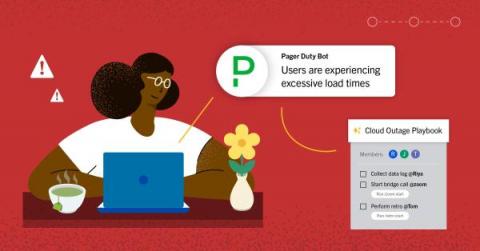
While service incidents can be wildly dissimilar, they tend to have one thing in common: a need for quick resolution. Response teams need a robust, repeatable process to follow that ensures fast, mistake-free execution, especially for those 4 AM calls. Having a documented checklist saved where the entire team can access and use it at any time could make the difference between quick resolution or compounding the problem.

Features, the forgotten feature of Puppet

When you write enough Puppet code, you will eventually find yourself in need of a Facter fact or Puppet resource type that doesn’t exist in Puppet itself. Then, if you’re like me, you go to the Puppet Forge and see if someone else has written what you need. Oftentimes, you find what you need, add a new module to your Puppetfile or module metadata, and move on with your life.