How to install Artifactory and Xray with Helm installation?
How to install Artifactory and Xray with Helm installation? By Vignesh Surendrababu - JFrog support


The latest News and Information on DevOps, CI/CD, Automation and related technologies.
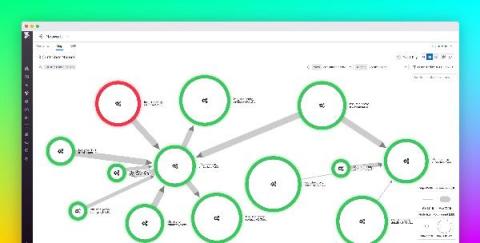
Istio is an open source service mesh that provides an abstraction layer for network traffic between applications, so you can run canary deployments, implement circuit breakers, and otherwise manage the architecture of your network using high-level configuration files. As service meshes become increasingly popular among containerized environments, dev and ops teams need to ensure that Istio is healthy, performant, and routing traffic as intended to keep their network infrastructure running smoothly.
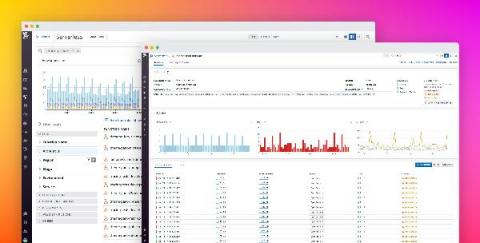
Modern datacenters can contain thousands of network appliances, such as routers, switches, firewalls, and servers, so it’s important for your monitoring strategy to provide comprehensive visibility into every piece of your infrastructure. Datadog Network Device Monitoring already allows you to collect a wealth of telemetry from all of your SNMP-managed devices, which are automatically discovered by the Datadog Agent.
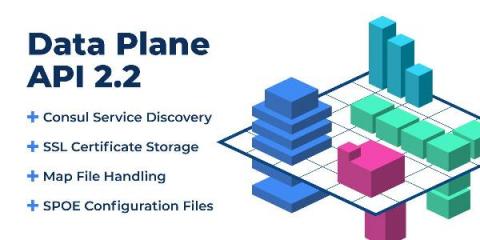
The HAProxy Data Plane API 2.2 lays the foundation for first-class service discovery and introduces native support for Consul. It also adds storage and file handling for SSL certificates, Map files, and SPOE configuration files.
NVIDIA Jetson is a family of embedded, low-power computing boards designed to support machine learning and AI applications at the edge. Organizations use Jetson boards for complex video and image processing and analysis, automating build processes in factories, and improving city infrastructures. For example, Jetson-based devices enable cities to analyze traffic patterns with their existing traffic cameras in order to find ways to improve their most congested intersections.
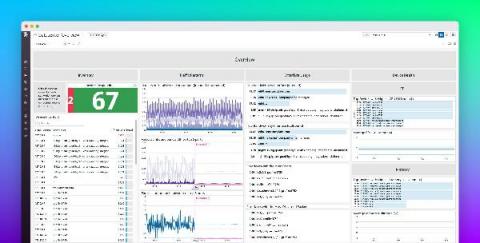
Serverless platforms like AWS Lambda have helped accelerate application development by removing the need to provision and manage infrastructure resources. However, serverless architecture presents new monitoring challenges. Because AWS Lambda handles underlying infrastructure for you, you don’t have access to system-level metrics. Instead, you have to monitor your Lambda functions for insight into their performance and resource usage.
At Cloudsmith, we are proud of our partnership network. We work hard to collaborate and integrate with the best DevOps tools available. Building performant, modern workflows requires frictionless integrations between tooling. Integrating Cloudsmith repositories with your CI/CD processes facilitates rapid development. Build, test, and deploy/distribute your software in repeatable, performant ways.