Operations | Monitoring | ITSM | DevOps | Cloud

Now GA: Data-in-Transit Encryption in Calico v3.15

We’re excited to announce that the latest release of Calico includes encryption for data-in-transit. Calico is the open source networking and network security solution for containers, virtual machines, and host-based workloads, offering connectivity and security for container workloads. One of Calico’s best-known security features is its implementation of Kubernetes Network Policy, providing a way to secure container workloads by restricting traffic to and from trusted sources.

New free Ping Tool. Ping from multiple locations all at once.

Ping is a network tool. The tool seeks out a given address over a network to check if one networked device can communicate with another device. The tool then reports on the quality of the connection based on data loss and response times. Uptrends’ new Ping Tool conducts ping tests from multiple worldwide locations at the same time. You can instantly spot localized downtime and latency issues from around the world using one simple tool.

Test on-premise applications with Datadog Synthetic private locations

Synthetic monitoring lets you improve end user experience by proactively verifying that they can complete important transactions and access key endpoints. But your applications serve many users, from customers to all the employees who run your business. This makes testing the performance of any internal-facing services within your private network just as critical as monitoring your external-facing applications.

OpManager now supports SMSEagle, Twilio, and Clickatell, so you can get SMS alerts anywhere!

IT admins need to know the status of their IT devices, servers, routers, switches, and firewalls. To meet this need, OpManager has a highly responsive and robust notification and alerting system that sends alerts via email, Slack, and even SMS. Murphy’s law says anything that can go wrong will go wrong, and if you’re in IT, you’re probably familiar with how easily things can go wrong.

SUSE Enters Into Definitive Agreement to Acquire Rancher Labs

I’m excited to announce that Rancher has signed a definitive agreement to be acquired by SUSE. Rancher is the most widely used enterprise Kubernetes platform. SUSE is the largest independent open source software company and a leader in enterprise Linux. By combining Rancher and SUSE, we not only gain massive engineering resources to further strengthen our market-leading product, we are also able to preserve our unique 100% open source business model.

Grafana and NGINX are partnering to give the open source community a turnkey experience for visibility

Over the past few years, NGINX users have naturally gravitated toward Grafana, and vice versa. These days, it’s not uncommon to see these two open source tools used together in the wild. And for good reason. F5, which acquired NGINX last year, is prioritizing building visibility across the entire product set, to make it easy for customers to quickly gain the insights that they need. Meanwhile, Grafana has evolved into the primary visualization and analysis tool in the open source market.

SolarWinds Gives IT Pros New Levels of Hybrid IT Support With Enhanced IT Operations Management Portfolio

Introduces new and improved software-defined solutions support, AWS and Azure workload troubleshooting and visibility, and full-stack application and infrastructure monitoring capabilities

Zoom and ServiceNow partner to make the best work-anywhere experiences even better

Zoom Video Communications, Inc. and ServiceNow today announced a commitment to each other’s technology solutions to make work-anywhere experiences work even better. With the ongoing pandemic and shelter in place orders Zoom’s usage rocketed to 300 million daily meeting participants in April 2020. Zoom deployed ServiceNow’s Customer Service Management (CSM) to scale its customer service operations and enable critical communications capabilities for its global community.

Hybrid Working Environments and the Impact on IT Effectiveness

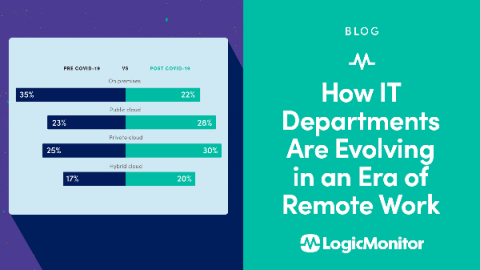
Over the past few months, many organizations have transitioned their employees from mostly onsite to fully remote work environments. Now we’re entering into a phase where roughly 30% of the workforce will soon head back to the office, while the rest continue to work from home.