MSP sales-What is SPIN selling and why it works for MSPs
In 1988, Neil Rackham wrote SPIN Selling, a book designed to teach a sales method revolving around problem-solving rather than following a script.


In 1988, Neil Rackham wrote SPIN Selling, a book designed to teach a sales method revolving around problem-solving rather than following a script.
The new release of Vantage DX takes discoverability of Microsoft Teams call quality to the next level, with at a glance insight into the end-to-end environment supporting Microsoft Teams calls, including the network and session border controller(SBC). Check out the Top 10 Questions to Ask about the Microsoft Teams User Experience and read on to understand how Vantage DX provides the answers.
Splunk embodies the top 5 principles of unified security and observability, and has been an expert in log management, security, and observability for years.
Cloud spend — which research shows makes up 51% of IT budgets — is a prime candidate for company cost savings initiatives with the potential to make a huge difference in gross margins. It’s also an area that has grown dramatically in the last few years due to digital transformation and a rise in cloud demand during the pandemic.
To minimize the security risks of an application, developers need their apps to stand up to stringent security testing. Fortunately, there are tools available that simplify and even automate these security tests. There are also best practices to guide and inform the testing process. In this article, I will cover the most common security issues for mobile apps and highlight popular security tests.
The work is hard and there are high expectations, but we don’t give up! The fight goes on and every day we are happier with what we achieve and what we mean to our users. Therefore, Pandora FMS is proud to announce its mention as an Emerging Favorite in 2022 Shortlist for Server Monitoring Software and APM by Capterra, a free online service that helps organizations find the right software.
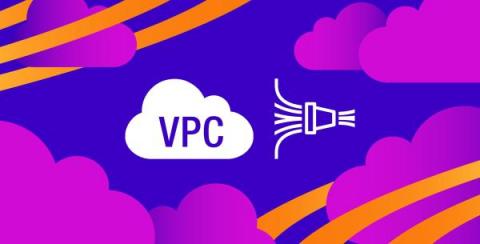
Amazon Virtual Private Cloud (Amazon VPC) is an isolated and secure virtual network in which you can deploy resources, such as Amazon Elastic Compute Cloud (EC2) and Amazon Relational Database Service (RDS) instances, while restricting their exposure to the internet. As part of your monitoring strategy, you can collect and analyze VPC flow logs, which record network traffic flow between VPC components.