Our beloved cfbs CLI tool for working with CFEngine Build is rapidly evolving. At the time of writing, we are currently at version 3.2.1. Thus I would like to take this opportunity to talk a bit about the latest and greatest features; including support for users to manipulate input parameters in modules, as well as a couple of new build steps.
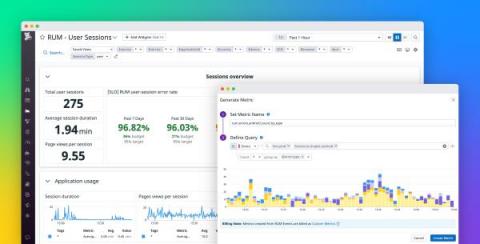
Datadog Real User Monitoring (RUM) provides end-to-end visibility into the user experience and performance of your browser and mobile applications. RUM allows you to capture and retain complete user sessions for 30 days. This means you can pinpoint bugs, prioritize issues, and determine fixes with data collected across an entire quarter.
It’s that time of year again! If you’re not a procrastinator, you’ve probably already blown out your sprinklers for winter and are looking forward to the snow and holidays ahead. Well done, irrigation purists! I, on the other hand, am an olympic-level procrastinator and will usually wait until the last moment before NWS forecasts a 10″ snow for the night then frantically search for my air compressor.
In modern organizations, employee efficiency matters just as much as—if not more than—productivity. Although the terms are often used interchangeably, they capture different phenomena. Productivity measures how much work an employee gets done overall. Efficiency refers to an employee’s ability to get more done in less time, with fewer resources.
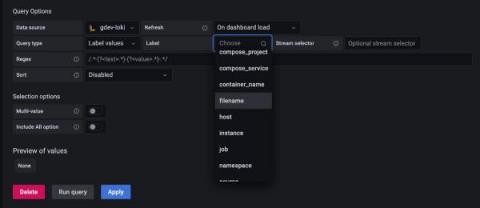
As part of the Grafana 9.2 release, we’re making it easier to create dynamic and interactive dashboards with a new and improved Grafana Loki query variable editor. Templating is a great option if you don’t want to deal with hard-coding certain elements in your queries, like the names of specific servers or applications. Previously, you had to remember and enter specific syntax in order to run queries on label names or values.
In 2021, the Biden administration issued an executive order outlining that the government and private sector need to work together to combat cyberthreats and improve the nation’s collective cybersecurity stance. As cyberattacks become more common and more costly, the United States — like other nation-states — needs to do everything it can to prevent attacks and rapidly respond to them when they occur, which requires modernizing its approach to incident response.
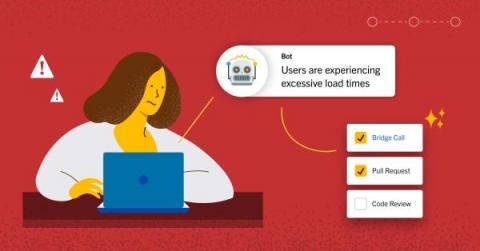
It doesn’t matter if you’re a startup or in the Fortune 500: cost optimization, tool consolidation, and efficiency efforts are top of mind. Removing toil and automating more often during the incident response process doesn’t only help teams resolve faster, it also helps them become more efficient. In a resource-strapped world, protecting developer and responder time and focus is critical to reducing total cost of operations and optimizing customer experience.