Put simply, Kubernetes is an orchestration system for deploying and managing containers. Using Kubernetes, you can operate containers reliably across different environments by automating management tasks such as scaling containers across Nodes and restarting them when they stop. Kubernetes provides abstractions that let you think in terms of application components, such as Pods (containers), Services (network endpoints), and Jobs (one-off tasks).
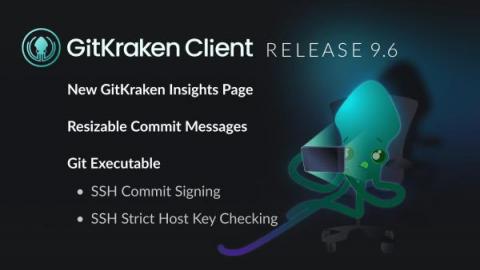
Insights sings, while SSH signs (yes, I was proud of that one). GitKraken Client 9.6 has arrived, and we’re introducing a dedicated page for GitKraken Insights, improved commit message UX, support for SSH commit signing and SSH strict host key checking, and Azure DevOps workspace enhancements.
Today’s guest blog is by Mike Stemle, a software engineer and Principal Architect for the Arc XP division of the Washington Post. In his role, Mike focuses on AppSec and large-scale architecture. Anybody who works with me knows that I love the Datadog Service Catalog.
Hey there! We're excited to share a new troubleshooting feature we have added to Netdata, the Netdata Assistant. We've built this tool to help you troubleshoot more effectively and with less stress. Let's dive in.
Since 2020, the Intel team has been contributing to Telegraf, including both telemetry from Intel-specific platform features (such as Intel® Resource Director Technology, Intel® Dynamic Load Balancer, or power statistics from Intel-based platforms) and telemetry gathered from generic tools and frameworks; for example, Data Plane Development Kit (DPDK), Libvirt, P4 Runtime, or Reliability Availability Serviceability (RAS).
In the dynamic world of Information Technology (IT), incident tracking is a critical process within the realm of incident management that can significantly influence an organization’s operational efficiency and service quality. Incident management refers to the identification, recording, and management of incidents—unplanned events or disruptions—that can impact IT services.
InfluxDB vs Thanos: Overview, Pros and Cons, and Differences.
Logs are like gold ore. They have valuable nuggets of information, but those nuggets often come in a matrix of less helpful material. Extracting the gold from the ore is crucial because it is vital to unlocking insights and optimizing your system(s). Raw logs can be overwhelming, containing informational messages, debug statements, errors, etc. However, buried within this sea of data lies the key metrics you can use to understand your applications' performance, availability, and health.