Embedded systems often require a careful eye to where memory resources are being spent, especially runtime memory utilization like stack and heap memories. This article is intended to shed some light on strategies for measuring stack memory usage on a small embedded system.
It was a nice sunny morning, the weather really with us, for our Icinga Camp Berlin this year. When I peeked outside after helping with the setup, people were already mingling, getting ready to check in and get their first coffee to prepare for the day ahead. Bernd took the stage, welcoming everyone with genuine enthusiasm, setting the tone for what promised to be an engaging event. Surrounded by our community, I felt right at home – ready to dive into the talks and connect with new friends.
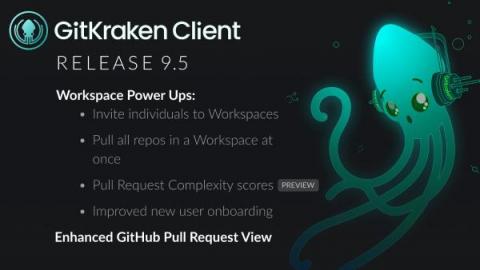
Looking to share a group of repos with someone? In this update, we’re introducing easier Workspace collaboration along with other power ups for your everyday version control. Let’s dive in and discover what’s new!
Today’s IT systems are ever more fragmented. It is commonplace to see polyglot systems, written in multiple programming languages, and using a plethora of tools and cloud services as infrastructure building blocks, whether data stores, web proxy or other functions. In this dynamic cloud-native realm, open standards and open specifications have become integral drivers of compatibility, collaboration, and convergence – the Three C’s of Open Standards, if you will.
With over 236,000 total vulnerabilities currently known – and an average 61 new vulnerabilities added every day to the NVD – it’s impossible to remediate every single CVE or threat vector that appears. So, how do everyday organizations handle the continuously growing threats to their organization’s end users, customers and data – especially across an increasingly hybrid and remote Everywhere Workplace?
With remote work now commonplace, having a good cyber hygiene program is crucial for organizations who want to survive in today’s threat landscape. This includes promoting a culture of individual cybersecurity awareness and deploying the right security tools, which are both critical to the program’s success. Some of these tools include endpoint patching, endpoint detection and response (EDR) solutions and antivirus software.
With 73% of IT and security professionals reporting an increased workload since hybrid and remote work started, ITSM is a game changer for your organization. By automating workloads and increasing visibility, you’re able to build up the resiliency of your IT operations and proactively resolve problems. But getting started can be hard. That’s why Bob Grazioli, Ivanti’s Chief Information Officer, sat down to share his perspective gathered over more than 25 years in the field.
Cloud tools are becoming indispensable for modern-day FinOps. They can improve efficiency and agility and deliver better client results. But what native cloud tools are right for you, and how can they benefit FinOps? Let’s find out. When managing financial operations in your organization, using native cloud tools is a must. Let’s take a closer look at some key advantages.