Operations | Monitoring | ITSM | DevOps | Cloud

The latest News and Information on Monitoring for Websites, Applications, APIs, Infrastructure, and other technologies.

Auto-provisioning support for SAML SSO

This enhancement is part of Raygun’s 12 Days of Christmas 2024. Over the next few weeks, we’ll share daily updates on bug fixes and feature improvements inspired by feedback from you, our customers. These are the small but impactful changes you’ve asked for, designed to make Raygun faster and easier to use. Check back tomorrow for the next update and see how we’re leveling up your experience one day at a time! Our special thanks to Airton from Brazil who suggested this great idea!
Sponsored Post

3 Raygun tips to keep your e-commerce site in peak shape this holiday season

The holiday season is here, and with it comes the yearly surge in online shopping traffic. If you're a software developer working for an e-commerce company, you're likely gearing up for the busiest time of the year. Keeping your application smooth, fast, and error-free during this high-pressure period is essential to ensuring a stellar customer experience. Luckily, if you're already using Raygun, you've got the tools to stay on top of it all! To help you be prepared, we've compiled three practical tips for using Raygun to keep your site running like clockwork-no matter how many shoppers hit your platform.
Sponsored Post

Understanding Network Traffic Flow and Segment Analysis

With every webpage loaded, email sent, or video streamed, network traffic takes a complex journey across multiple infrastructure nodes. From the device to the destination, data packets travel across various gateways, networks, through routers, switches, and service providers along the way. Understanding the network traffic paths and segments along the journey reveals much about performance, latency, congestion, and possibly even bottlenecks. In this article, we'll delve into the interconnected, intricate routes, network traffic takes.

OpenTelemetry - Complete Guide to the Open-Source Observability Framework

In cloud-native environments, observability is key to ensuring the health, performance, and stability of distributed systems. Observability helps developers and operations teams understand how their systems behave in real time, helping diagnose issues, optimize performance, and meet service-level agreements.

The Art of the Possible: Drawing Up Your DEX Strategy

Digital Employee Experience (DEX) is more than just technology—it's a transformative journey. In this first episode of our series, Emily Schlick (Vizient) and Zakir Mohammed (Toyota) share their strategies and lessons from their first year of DEX implementation. Learn how they: Built a strong DEX strategy Empowered people and processes Partnered with Nexthink to drive success Whether you're starting your DEX journey or looking to level up, this episode is packed with actionable insights to help your organization thrive.

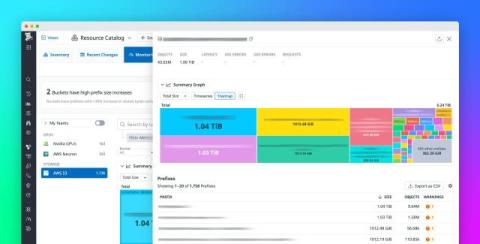
Optimize and troubleshoot cloud storage at scale with Storage Monitoring

Organizations today rely on cloud object storage to power diverse workloads, from data analytics and machine learning pipelines to content delivery platforms. But as data volumes explode and storage patterns become more complex, teams often struggle to understand and proactively optimize their storage utilization. When issues arise—such as unexpected costs or performance bottlenecks—these teams frequently lack the visibility needed to quickly identify and resolve root causes.

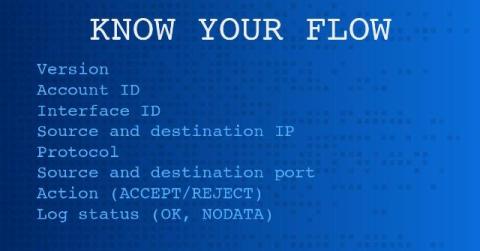
Understanding the Differences Between Flow Logs on AWS and Azure

AWS VPC flow Logs and Azure NSG flow Logs offer network traffic visibility with different scopes and formats, but both are essential for multi-cloud network management and security. Unified network observability solutions analyze both in one place to provide comprehensive insights across clouds.

How to Mitigate DDoS Attacks and the Impact on Availability

Distributed Denial of Service (DDoS) attacks are intended to overwhelm a network or server and cause failure or work stoppage. DDoS attacks first appeared in the mid-1990s and continue to the present day. Far from going away, they have become more prevalent: in the first quarter of 2024, the number of DDoS attacks against web servers increased by 93% compared to the same period a year earlier. One survey found that nearly 70% of organizations experienced 20 to 50 DDoS attacks per month.