Operations | Monitoring | ITSM | DevOps | Cloud

How to Identify Shadow AI with Teneo Managed DEX

What is Shadow AI, and how can IT teams identify unsanctioned AI tools being used across their organization? In this short video, see how Teneo Managed Digital Employee Experience (DEX) can provide visibility into AI application usage, helping organizations uncover Shadow AI and better understand which AI tools employees are actually using. With Teneo Managed DEX, IT and security teams can gain greater visibility into emerging workplace risks, including unauthorized or unmanaged AI applications that may create security, data privacy, governance, or compliance concerns.

SOC automation solution guide 2026 with examples

SOC automation can be a confusing category as there is no single type of SOC automation solution or tool, and most security teams use several different approaches at the same time. However, the need for SOC automation is much clearer with recent data on SOC automation showing that 93% of organizations are using or planning to use automation in their security workflows.

Your Feedback Becomes the AI Agent's Memory: How OrionIQ AI Agents Learn From You

TL;DR: OrionIQ AI agents, available inside the logz.io platform, now learn from your feedback. Rate any agent run, thumbs up or thumbs down, say why, and the agent re-reads its own run, finds the decision behind the outcome, and writes a lesson. The next run of that agent in your account starts with the lesson in hand. It works for every OrionIQ AI agent, from Alert AI Analysis to scheduled and marketplace agents. Lessons never cross accounts or agents, and you control what the agent keeps.

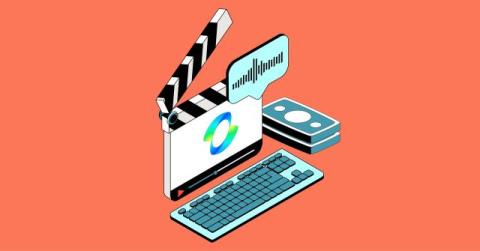
How Small Marketing Teams Can Turn Existing Content Into Weekly Videos Without Expanding Headcount

Small marketing teams rarely have a shortage of material. They have product pages, blog posts, customer questions, campaign copy, screenshots, product photos, webinars, and internal notes. What they often lack is the time and specialist support needed to turn that material into a steady stream of useful video. The practical answer is not to treat every video as a new production. It is to build a repeatable content operation that starts with assets the team already owns, uses AI to create a first draft, and reserves human time for decisions that affect accuracy, brand, and performance.

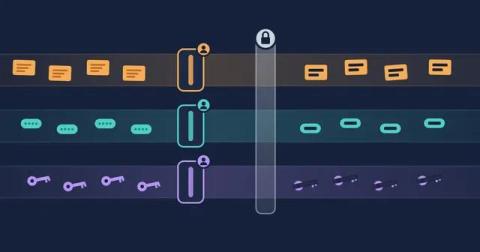
Team-Based DLP: Give Each Group Its Own Redaction Rules

A shared Kubernetes cluster rarely belongs to one team. Payments runs checkout in one namespace, search runs search-api in another, and a risk team runs a scorer somewhere else. One Speedscale forwarder captures API traffic for all of them. Redacting that traffic before it leaves the cluster is what makes it safe to use for testing (the background is in The PII Testing Dilemma). Until now, that forwarder ran exactly one DLP rule. Every team that needed a field redacted had to edit the same JSON document.

Kling AI pricing in 2026: plans, credit costs, API packages, and the spend no invoice shows

Kling AI pricing runs from a free tier of 66 daily credits to a reported $180 per month, with annual billing about 34% cheaper. Kling 3.0 bills per second: 6 to 12 credits for standard resolutions and 30 for native 4K. The API sells separate prepaid packages from $9.80 to $7,560.

Token-based pricing: how AI usage billing works (2026)

Token-based pricing charges for AI by the volume of text a model processes, metered separately for input tokens (what you send) and output tokens (what the model returns). As of 2026, OpenAI, Anthropic, and Google all bill their APIs this way, and the model is spreading into enterprise chat products. Bills scale with usage rather than seats.