AI-Driven Self Remediation for Software-Defined Networks
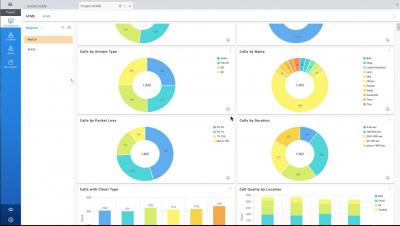
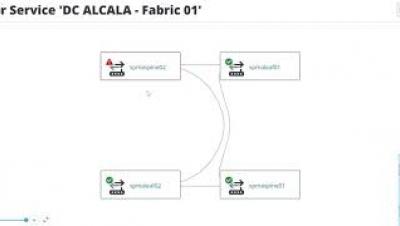
A simple use case demo of AIOps from Broadcom with industry-leading network monitoring for self-healing network operations.


The latest News and Information on AIOps, alerting in complex systems and related technologies.
Legacy monitoring tools fall short for SRE teams and DevOps pros tasked with maintaining uptime of key applications in modern, cloud-based IT systems. To have visibility and control over these environments, these teams must collect and analyze more granular, underlying system information — observability data. This article explains why the only way for SRE teams and DevOps pros to extract the necessary insights from this data is through the application of AI capabilities.
Another PagerDuty Summit is in the books, and we’re still coming down from the excitement and energy our customers and community showed us over the past week. We made several big announcements over the course of the conference, but none more significant than the AIOps advancements on our digital operations platform. We introduced a number of ways customers can apply machine learning algorithms and automation to a wide range of workflows across the platform.
As many recent studies show (like this one from Mckinsey) , self-service in B2B products is a growing trend. Today’s enterprise users expect the same seamless and simple experience they’ve learned to love as consumers. This works well for many simple tasks. But when it comes to more complex actions that require working with ‘under the hood’ technical features, things haven’t changed much since the early days of enterprise technology.
This is the second in a two-part blog series about AIOps where I sit down with Julian Dunn, Director of Product Marketing at PagerDuty, to level-set on the hot DevOps topic. The first post discussed whether AIOps was just marketing fluff and whether ITOps actually has an AIOps problem. Let’s continue…
In this blog post series, I’ve explored the relationship between observability and a set of software delivery lifecycle practices that help organizations adopt DevOps practices and change their ways of working from being project centric to product-centric. I started with Site Reliability Engineering, then considered Value Stream Management (VSM) and finish with this post on Continuous Integration and Delivery (CI/CD). Defining Continuous Integration