Open source software (OSS) is a cornerstone of modern technology. According to the Linux Foundation, it powers up to 90% of software tools used today. Unlike proprietary software, OSS is developed collaboratively, meaning its code is available for anyone to use, change, and distribute. Because OSS projects have historically been driven by developers, they tend to be highly flexible and functional, but they can lack critical usability considerations.
On June 18, OpenAI gave ChatGPT Enterprise admins new credit usage analytics and spend controls. It’s a single view of credit consumption broken down by user, product, and model, default workspace budgets, per-group limits, and a Cost API for pulling the data into their own systems. Two days earlier, Microsoft shipped Copilot Cowork with spending limits, budget allocation, usage alerts, and user-level caps. This is a step in the right direction.
Customer lifetime value (CLV) is the total revenue a business expects from a single customer over the entire relationship, minus the costs of serving them. The standard SaaS CLV formula: Average Revenue Per Account x Gross Margin % / Monthly Churn Rate. For a $500/month customer with 75% gross margin and 5% churn: CLV = $7,500. That number can swing materially once AI spend per customer is built into gross margin, something many SaaS companies still don't do.
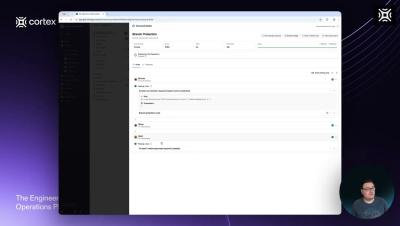
Stop guessing whether your repos meet your branch policies. Start knowing. In this Feature Friday, Senior Engineering Manager Gabriel walks through Cortex's new native support for GitHub branch rule sets and how to use them in scorecards to enforce consistent policies across all your repos. What you'll see: Questions? Reach out to your CSM or drop a comment below.
AI looks great in a demo. The real test is production. In this week's Zero Ticket Minute, Ian explains why success isn't about what AI can do. It's about what it can reliably resolve.
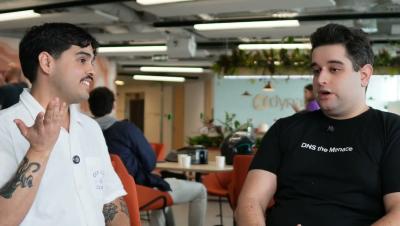
SRE Lead Ricard Bejarano (Cisco) and Jorge Lainfiesta (Rootly) sit down to talk about a recent intermittent incident that had the team scratching their heads.
Incident response is a context problem. The first minutes of any incident are spent reconstructing what the affected service is, what it depends on, and who owns it. That reconstruction happens during the worst possible window. The Cortex catalog already holds this data: services, teams, domains, and the relationships between them, maintained by the engineers who run those systems.
Here's a scenario that's playing out in engineering teams across the industry right now. A developer uses AI to rapidly prototype a microservice. The code works. They deploy it to production. Six months later, something breaks. The system is under load, a database connection pools, and the service starts failing in subtle ways. The engineer pulls up the code, but here's the problem, they didn't write it. An AI assistant did. They don't understand the flow deeply. They don't know where to look first.