May 2023 Product Launch Recap
On May 31st, Catchpoint hosted a webinar to launch our Perigrine and Eagle releases, packed with new product features and enhancements that make our Internet Performance Monitoring (IPM) Platform even more powerful.


On May 31st, Catchpoint hosted a webinar to launch our Perigrine and Eagle releases, packed with new product features and enhancements that make our Internet Performance Monitoring (IPM) Platform even more powerful.
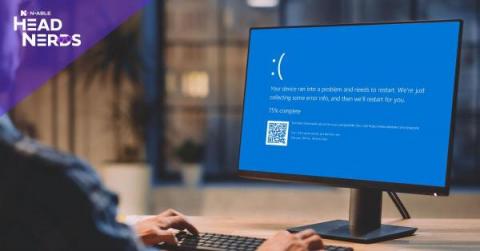
As N-able Head Nerds we are continually looking for ways our partners can better support their end-users. So it’s hugely beneficial for us to visit with our partners when we can to see all the different approaches they take in supporting their customers. On a recent trip to South Africa, Marc-Andre Tanguay visited First Technology KZN in Durban. Whilst there the team showed Marc-Andre the custom BSOD monitor they had built to detect if a machine had suffered the dreaded Blue Screen of Death.
The Grafana k6 browser module simulates how users interact with a browser page and collects web performance metrics about the interaction. Since launching the module in 2021, we’re frequently asked how it compares to Google Lighthouse as a tool to measure web page performance. This blog post compares k6 browser and Google Lighthouse from various perspectives, including: Note: k6 browser is a part of Grafana k6 OSS.
Administrators and IT management are increasingly leveraging simple quantifiable KPI indicators such as “Performance Ratings” to gain rapid overviews and track key outcomes. Modern IT architectures are designed and built to scale and be resilient. Systems are now usually built to handle failover and auto-scale up and down to handle varying demand and workloads with very different properties and needs.
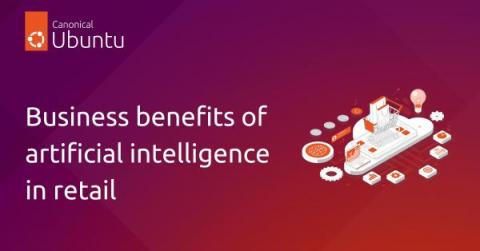
The retail industry is going through a period of major upheaval. AI is transforming the landscape at a rapid pace. Grand View Research evaluated the market value at USD 5.79 billion in 2021 and this is expected to grow at a 23.9% compound annual growth rate (CAGR) from 2022 to 2030. For retailers, this translates into a need to adapt to an entirely new paradigm of customer expectations.
The first moments of incident response can be among the most crucial, which in turn can also make them among the most stressful. There are many ways to ensure incidents are kicked off smoothly, but a recent focus of ours was to ensure they could be kicked off quickly. After all, the faster you're able to start mitigating your incident, the more successful you'll be!
Cloud network reliability has become a catch-all for four related concerns: availability, resiliency, durability, and security. In this post, we’ll discuss why NetOps plays an integral role in delivering on the promise of reliability.
While log parsing isn’t very sexy and never gets much credit, it is fundamental to productive and centralized log analysis. Log parsing extracts information in your logs and organizes them into fields. Without well-structured fields in your logs, searching and visualizing your log data is near impossible.
Implementing a Cognitive Network Operations Center (Cognitive NOC) comes with its fair share of challenges, but businesses must be able to rely on technology to operate and grow, making network performance, reliability, and security top priorities.