As the GitOps paradigm continues to evolve, different interpretations and implementations will continue to appear. SUSE Rancher Fleet is a project creating a powerful, lightweight, and scalable GitOps engine. Recently, we showed the art of the possible between Shipa and SUSE Rancher Fleet. Make sure to check out our joint solution brief where the intersection of the SUSE Rancher and Shipa stacks come together.
Click below to read other articles from our CLI intro series: At the beginning of this series, we looked at the benefits of using the CLI shell on your machine. One of those benefits is the wide range of developer tools available that only have a CLI. In this part of the CLI intro series, we’re going to focus on.
With our April update, we ship some great improvements for Signl categories, category-based alerting and duty scheduling. All details are available in this blog article.
Microsoft began the launch rollout of the New Commerce Experience (NCE) in January 2022. This launch brings about changes that impact how MSPs and end-users purchase Microsoft 365 licenses. In addition, Microsoft created the NCE to reduce complexity and offer savings for long-term commitments while also bringing on new features to make CSP a competitive alternative to the traditional Enterprise Agreement (EA). This post will cover everything you need to know about Microsoft NCE.
In this load test tutorial, you’ll learn how to use Postman for small-scale API testing. You’ll also learn about some shortcomings and challenges of the framework that can be solved by using a tool like Speedscale. Because HTTP services don’t have a graphical user interface, you’re forced to test web APIs by simulating requests from a known client so that you can control the traffic data.
The effects of BigPanda’s most recent round of funding—amounting to $190 million—will be reverberating throughout the company for years to come. And it’s not just BigPanda employees who have experienced a surge of enthusiasm in the wake of our Unicorn status. Our customers are thrilled at the prospect of more innovation from our team and new products that help them automate and evolve.
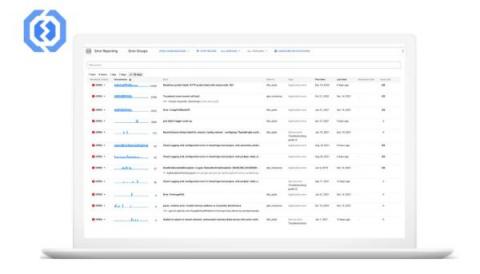
Building new applications is a lot of fun, but troubleshooting and fixing the crashes that can come with app development is not. While many organizations are fast adopting the DevOps model, there are still some legacy frameworks where developers and operations teams are separate. Developers build and submit apps to their ops team, who in turn deploy and maintain the production stack. A common issue that arises due to this workflow is the time it takes to find and resolve crashes.
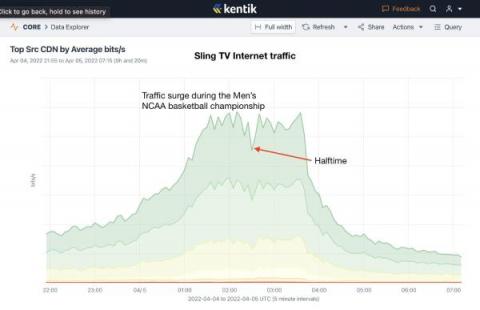
Last night, Kansas topped the University of North Carolina in a thrilling come-from-behind victory to win their fourth championship in men’s college basketball. It was also notable in how viewers saw the game. Instead of being aired on CBS (network television), the game was carried on TBS requiring viewers to have either a cable TV package or use a streaming service to watch the game. Here’s what we saw.
Cloud and cloud-based technologies are at their peak today. More and more organizations are turning to intelligent architectures and systems to deploy their apps. And they are not wrong—the cloud has proven to be a great way of performance optimization and cost-cutting. However, there are issues to address with this growing trend. One of those is monitoring. Monitoring is a vital part of application maintenance.