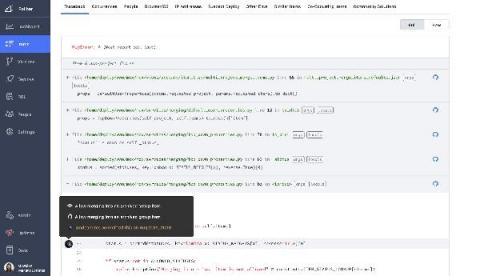
More than once, I’ve heard experienced software developers say that there are only two reasons to log: either you log Information or you log an Error. The implication here is that either you want to record something that happened or you want to be able to react to something that went wrong. In this article, we’ll take a closer look at logging and explore the fact that log levels are more than just black or red rows in your main logging system.
Teams are always looking for a speed advantage, and that comes from planning, crisp execution, and teamwork. To this end, we’re excited to release new enhancements to Incident Collaboration to help make life easier for DevOps teams during incident response. The Mattermost platform includes built-in Incident Playbooks with predefined response plans and task lists. Playbooks can be customized to your environment and specific use cases.
Let’s take a moment and think about security in your organization. Security is often separate from other engineering teams such as development, operations, networking, IT, and so forth. If you narrow down your focus to specifically releasing new software or features and functions in existing software, you’ll find that while development and operations are working together very quickly and efficiently, they’re still vaulting these functions and features over to security.
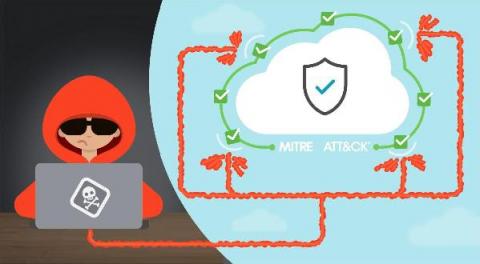
Lateral Movement describes techniques that adversaries use to pivot through multiple systems and accounts to improve access to an environment and subsequently get closer to their objective. Adversaries might install their own remote access tools to accomplish Lateral Movement, or use stolen credentials with native network and operating system tools that may be stealthier in blending in with normal systems administration activity.
Low MTTR is the much-desired nirvana-state in IT Operations. One of the most painful parts of the incident management lifecycle, which prevents the achievement of this nirvana, is triage: the time it takes first incident responders to determine the next action when facing a barrage of IT incidents. Why?