Mailchimp
Not subscribed to OpsMatters Newsletter


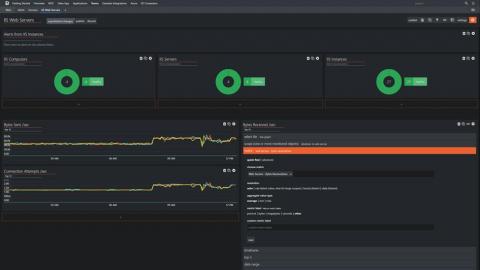
We all know that SCOM is a monitoring powerhouse, but even the biggest SCOM fan can’t deny that the SCOM Console dashboards leave much to be desired. They might look colorful, but unfortunately there’s not much else they can do. You can’t drill down further into an object, and you definitely can’t correlate it with other data you might have on that object that could be related.
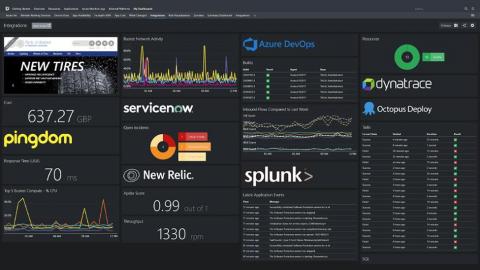
If you’re a monitoring admin in your organization, you’re probably all too familiar with the load of different monitoring tools covering different aspects of the business, and also with the massive inconvenience that comes with it.
The events of 2020 have accelerated ecommerce, increasing demand for and traffic on online marketplaces. Analyst eMarketer predicts that ecommerce sales in the United States will grow 18% in 2020, against an overall fall in total retail sales of 10.5% for the year. Likewise, our business—Japan-headquartered consumer-to-consumer marketplace Mercari Inc—is growing rapidly. In the United States alone, we have seen 74% year-on-year growth in monthly average users to 3.4 million.
Managing IT projects often gets difficult and complex. Adhering to timeline and quality is a challenge while executing any large project. IT teams run projects of various types and sizes, including periodic audits, complex app development, and change rollouts. The projects involve varying degrees of complexity and require flexibility in the process so they can be delivered on time.
Last week, I received a phone call from the Head of Observability at a large global enterprise firm. He has been in the monitoring space for almost three decades working with various organizations and has experience with most monitoring tools. The first thing he asked was, “I have used several synthetic monitoring solutions right from basic HTTP to comprehensive user journey capable tools. I would like to know how Catchpoint is different from the rest.”