Mailchimp
Not subscribed to OpsMatters Newsletter


Back in 2002 when I was a (very) junior programmer at a German enterprise software company I was lucky enough to be part of a small team that was building what you would now call a SaaS app. Up until now, the company had made all their profits by selling desktop software written in a language most people likely have never heard of: FoxPro. But instead of spending my days debugging FoxPro code, I was now green fielding JAVA web services.
At FireHydrant we use Redux Form for all of our forms. It is extremely easy to build complex form logic with all sorts of added bonuses that make using it in our React/Redux front end a no brainer. However, when we started using React Select for our select fields we started running into some issues. You are likely running into some of the same issues we did and so this blog post will help get you off the ground and integrating these two libraries together.
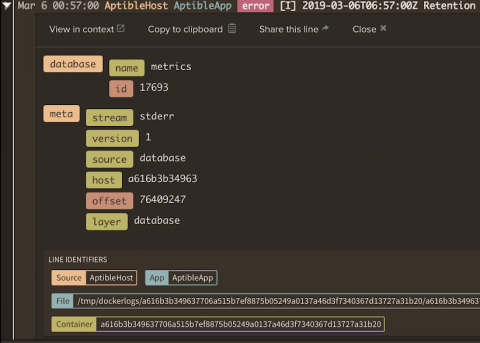
We’re happy to announce that forwarding your Aptible logs to LogDNA is much simpler than before. Aptible Enclave is a container orchestration platform built for developers that automates security best practices and controls needed for deploying and scaling Dockerized apps in regulated industries.
It’s hard to believe, but 10 years ago AWS had only five products. Chief among them, of course, was EC2. Although it feels a little quaint now, back then EC2 was an incredible offering. Anyone could fire up a server in seconds, install some code, and transform that generic server into any service one could imagine.
Today Enterprise IT does not question the value of containerized applications anymore. Given the move to adopting DevOps and cloud native architectures, it is critical to leverage container capabilities in order to enable digital transformation. Google’s Kubernetes (K8s), an open source container orchestration system, has become the de facto standard — and the key enabler — for cloud native applications, and the way they are architected, composed, deployed, and managed.