Operations | Monitoring | ITSM | DevOps | Cloud

The latest News and Information on DevOps, CI/CD, Automation and related technologies.

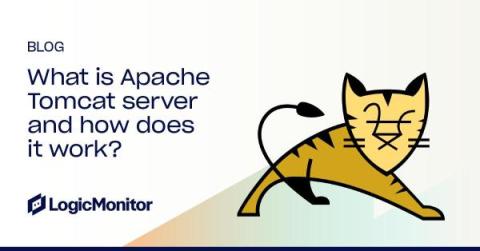
What is Apache Tomcat server and how does it work?

Apache Tomcat, developed by Sun Systems way back in the late 1990s, is a popular choice for developers who need to build and deploy Java-based web applications. It’s a collaboratively created platform that, since 2005, has become an accredited top-level Apache project with highly experienced developers volunteering support and resources for it. A 2022 survey shows that 48% of developers now utilize Apache Tomcat for deploying Java web applications.


Telco Operations: More Powerful and Efficient, One IT Automation at a Time

Technological advancements in telecommunications are keeping everyone on their toes, as communication service providers (CSPs) obsess over the next big thing to roll out and change the way the world communicates, stays informed, manages its daily lives, and more.

What Is a Feature Flag? Best Practices and Use Cases

Do you want to build software faster and release it more often without the risks of negatively impacting your user experience? Imagine a world where there is not only less fear around testing and releasing in production, but one where it becomes routine. That is the world of feature flags. A feature flag lets you deliver different functionality to different users without maintaining feature branches and running different binary artifacts.

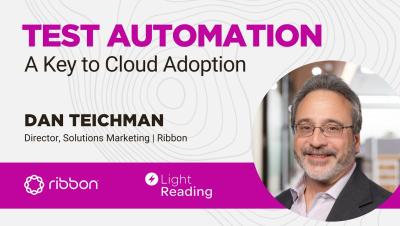
Test Automation - A Key to Telco Cloud Adoption

While industry experts struggle to find consensus on the path to Telco Cloud, almost everyone agrees that automation will play an outsized role in helping network operators overcome the challenges they face in adopting and successfully deploying Telco Cloud. For many network operators, the very inefficient pace of their existing software upgrades is a key challenge they must address to migrate their network to a modern Telco Cloud.

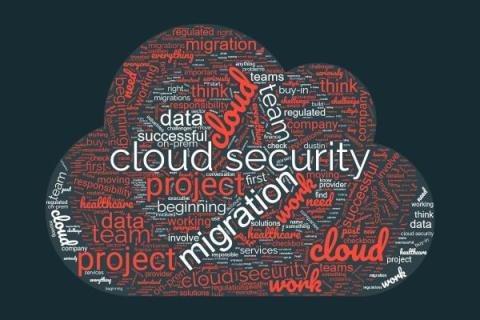
How to get your security team on board with your cloud migration

To find out more about cloud migrations, the pitfalls that await the unwary, and what the security implications are, I recently sat down with Dustin Dorsey, Systems & Data Architect at Biobot Analytics, based in Cambridge, MA. In the first post in this series, we talked about cloud providers being responsible for security ‘of’ the cloud, while their clients are responsible for security ‘in’ the cloud.

Deploy or defer the latest macOS 14 Sonoma update with Endpoint Central

The wait for the latest macOS 14 update is finally over. The newest macOS Sonoma update comes with a plethora of security and privacy features intended to make your computing environment safer. Apple users can now explore new video conferencing features and advanced game mode, enable password and passkey sharing, and so much more. While there’s plenty of excitement that comes with an update like this, it’s important to proceed with caution.

GitKraken September Video Newsletter (Git Integration for Jira)

🗞️ Extra! Extra! Read – no – SEE all about it! 👀 This month, we switched it up with a fresh video newsletter! 🎬 Our MC, Allison (a.k.a. me, the one writing this description. Hi! 👋 ), is here to guide you through valuable Git Integration for Jira updates and features soon to come.

GitKraken September Video Newsletter (GitKraken Client & GitLens)

🗞️ Extra! Extra! Read – no – SEE all about it! 👀 This month, we switched it up with a fresh video newsletter! 🎬 Our MC, Allison (a.k.a. me, the one writing this description. Hi! 👋 ), is here to guide you through this month's GitKraken Client & GitLens updates, plus fun GitKon announcements, and more.

Better learning from incidents: A guide to incident post-mortem documents

If you’re just starting out in the world of incident response, then you’ve probably come across the phrase “post-mortem” at least once or twice. And if you’re a seasoned incident responder, the phrase probably invokes mixed feelings. Just to clarify, here, we’re talking about post-mortem documents, not meetings. It’s a distinction we have to make since lots of teams use the phrase to refer to the meeting they have after an incident.