DevOps has evolved in terms of its tools, techniques, and culture. Software developers can gain a completely new perspective when operations and development work together. The tech sector now depends heavily on DevOps. It is essential in enterprises, from software delivery to project planning. Businesses in DevOps employ a variety of monitoring tools for a range of activities, including development, testing, and automation.
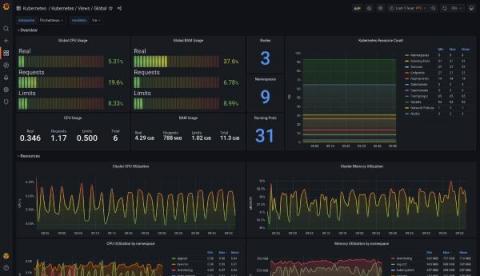
David Calvert is a site reliability engineer working remotely from the south of France. He’s currently focused on observability, reliability, and security aspects of cloud infrastructure. You can find him as dotdc on GitHub and @0xDC_ on Twitter. Over the past three years, I’ve built and operated Kubernetes clusters for two different companies — the first one on-premises, and the second on a public cloud platform for my current job at Powder.
Git is an open-source version control system that is used to store code and web content in repositories. Git was designed to facilitate collaborative projects between developers. But leveraging the power of Git via the command line can be challenging to master, so many developers choose to use GUI clients to make using Git commands and actions more visual and simple.
A good developer knows how to debug code. In fact, most software engineers spend the majority of their time debugging existing code rather than writing new code. When it comes to native app development, debugging and tracking errors during development can be a tricky task. So, in this post, I’ll help you understand how you can debug your React Native applications and also track errors during app development.
With vSphere and Tanzu Kubernetes Grid (TKG), VMware enables enterprise organizations to combine the economic advantages of virtual machines (VMs) with the agility, portability, and scalability provided by Kubernetes. vSphere is VMware’s platform for the provisioning and management of VMs.
From humble beginnings to becoming an enterprise with more than 20,000 employees globally, ServiceNow has been through a lot of changes since its founding in 2004. Although it started as an IT service management company, it's grown to connect people, functions, and systems across organizations.
Around 57% of data breaches are attributed to poor patch management. This stat clearly attributes to the need for patch management to keep the organization safe by mitigating security vulnerabilities. Without the right patch management software, it becomes difficult for organizations to identify critical updates. Only implementing a patch management process is not enough for any organization to win the game.
Most modern organizations would benefit from the use of an endpoint management solution. Any business that uses computers, printers, tablets, or other such IT devices -- the titular endpoints -- need an efficient and reliable way to maintain, monitor, and secure those devices.
As we head into 2023, it’s clear that one of the challenges many businesses will face is figuring out how to do more with less. According to Business Insider, layoffs loom for many industries, including tech. All of this can add up to an increased chance for potential outages and disruptions.