How Suborbital utilises K3s features with Civo
Learn how Suborbital utilises K3s features with Civo to achieve super fast cluster launch times for testing, load balancing, and more in this interview with Connor Hicks.


The latest News and Information on Containers, Kubernetes, Docker and related technologies.
Last month saw the first ever Civo Hackathon take place and we saw individuals and teams from across the globe submit some really exciting, innovative projects. We've also launched a new Partner Program designed to help your fledgling business grow and scale with ease. Continue reading to find out more.
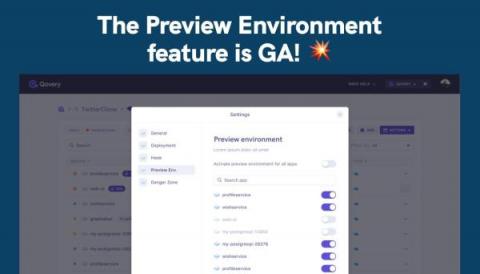
I am super excited to announce that our Preview Environment feature is GA (Globally Available) for everyone 🥳.
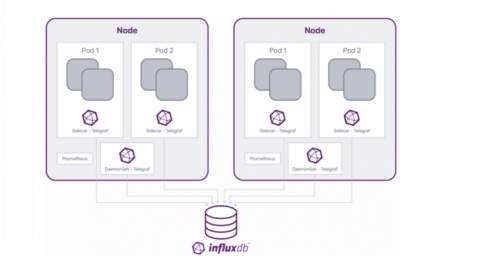
Monitoring is a critical aspect of cloud computing. At any time, you need to know what’s working, what isn’t, and have the ability to respond to changes occurring in a given environment. Effective monitoring begins with the ability to collect performance data from across an ecosystem and present it in a useful way. So the easier it is to manage monitoring data across an ecosystem, the more effective those monitoring solutions are and the more efficient that ecosystem is.
Yesterday was my worst day for a very long time. We spent so much time promoting our Qovery Engine to the open-source community and getting those ~3800 stars. I woke up and discovered that we had lost all the stars and forks from our repository. But what happened?
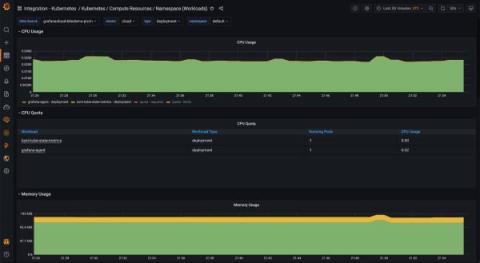
Back in May, we announced the Kubernetes integration to help users easily monitor and alert on core Kubernetes cluster metrics using the Grafana Agent, our lightweight observability data collector optimized for sending metric, log, and trace data to Grafana Cloud. The integration allows Grafana Cloud users to monitor and alert on Kubernetes cluster metrics. Since the original release, we’ve added new features and enhancements to help our users go even further.
Last June, Tigera announced a first for Kubernetes: supporting open-source WireGuard for encrypting data in transit within your cluster. We never like to sit still, so we have been working hard on some exciting new features for this technology, the first of which is support for WireGuard on AKS using the Azure CNI. First a short recap about what WireGuard is, and how we use it in Calico.
One more “ops” phoneme like DevOps is ChatOps; or conversation-based development/operations. ChatOps has been growing in popularity as communication platforms such as Slack is ingrained in our day-to-day engineering lives. A team lead once told me “if it didn’t happen in Slack, it didn’t happen” showing the emphasis of communication platforms as a system of record.